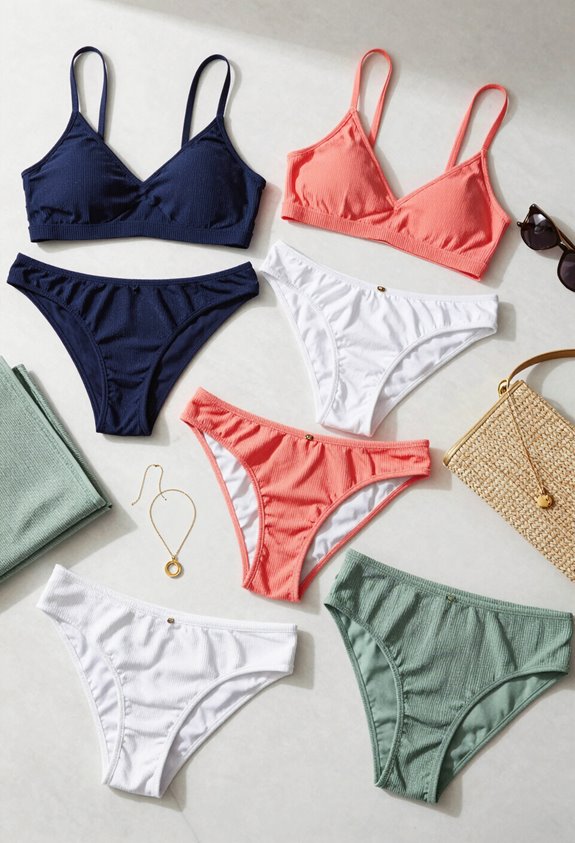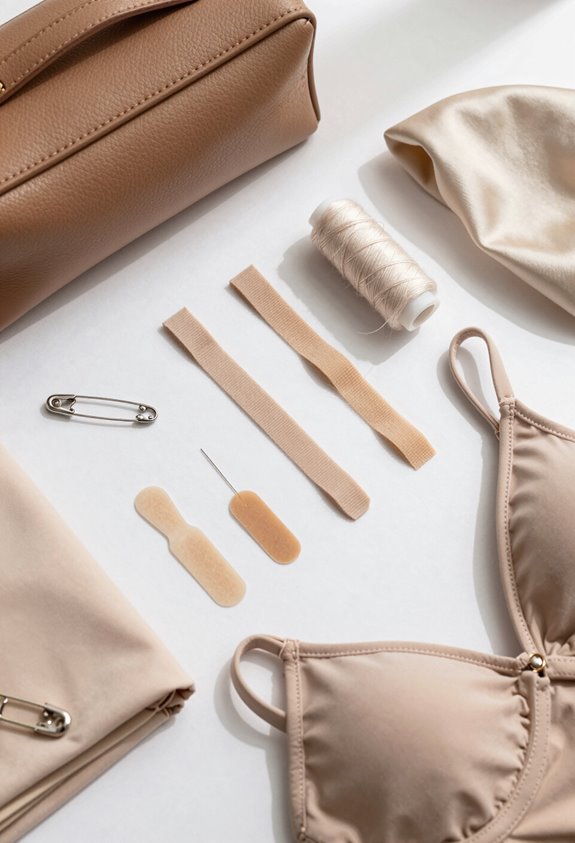


When it comes to swimwear, feeling comfortable is crucial. Have you ever experienced gaping, digging, or your swimsuit riding up? Trust me, you’re not alone. Tackling these issues involves a few simple adjustments and choices that can make all the difference.
Start by adjusting those shoulder straps. It’s surprising how much a little tweak can impact your comfort level! If you haven’t tried swimsuits with built-in underwire and adjustable back clasps yet, consider giving them a shot. Thicker straps can also be your best friend; they help distribute weight and minimize digging into your shoulders.
The fit of the leg openings is another area to check. You want them snug but not too tight, to avoid any awkward riding up. Fabrics like Lycra or spandex can really help with support while still allowing for flexibility.
So, why does this matter? A great fit not only boosts your confidence but also makes those beach days so much more enjoyable.
Understanding different fabric characteristics can be key here too. Opt for styles that complement your body shape, and pay attention to how each piece feels on you. Sometimes, it’s all about finding that right combo of style and support.
In the end, every body is different, and what works for one person might not work for another. Don’t be discouraged if you don’t get it right on the first try. With some adjustments and careful selection, you can find a swimsuit that fits you perfectly.
What’s your biggest swimwear struggle? Let’s tackle it together!
Key Takeaways
- Adjust shoulder straps and choose swim tops with underwire for a snug fit and to minimize gaping.
- Opt for wider, adjustable straps to alleviate strap digging and distribute weight evenly.
- Ensure proper measurements for bust, waist, and hips to find a swimsuit that stays in place.
- Select high-quality fabrics like Lycra and spandex for better stretch, recovery, and support.
- Look for adjustable features, thick materials, and good leg openings to prevent riding up during movement.
How to Fix Gaping in Swimwear
When you’re gearing up for a day at the beach or pool, it’s super frustrating if your swimwear is gaping. This is a problem many face, but the good news is there are some easy fixes you can try.
First off, adjusting the shoulder straps can work wonders. Lots of swimsuits come with adjustable straps so you can find the perfect fit for your body. If you’re struggling with gaping in the bust area, look for swim tops that have built-in underwire and full coverage cups. Those features can really help keep everything in place.
You might want to consider swimwear with adjustable back clasps, too. The more hook positions there are, the better chance you have of getting that snug fit. Honestly, don’t forget about removable padding! It can be added for extra shape and can help fill in those gaps that lead to gaping.
If you typically go by simple sizing, you might want to rethink that approach. Picking your swimwear based on specific cup sizes can hugely improve your fit and comfort, making a noticeable difference in how your suit looks and feels.
Additionally, choosing swimwear made from quick-dry materials helps maintain comfort by reducing water retention after swimming.
Recommended Products


Experience the magic of a comfortable, contemporary look that instantly flatters every curve of your figure.

Look 10 lbs. lighter in 10 seconds® with Miraclesuit. Our exclusive Miratex® fabric slims and slenderizes without panels or linings for total full body shaping & control.
Addressing Strap Digging: Solutions for Comfort

How can we tackle the annoying issue of strap digging in our swimwear? It’s a common problem, and trust me, you’re not alone in this! One simple fix is to opt for swimsuits with wider, adjustable straps. They’re really great at relieving pressure on your shoulders and can make a world of difference in comfort. Thicker straps are also a smart choice since they help spread out the weight evenly, so you’re not left with those pesky indentations on your skin.
If you find your straps are digging in, consider going up a size. A looser fit can mean less pressure on those vulnerable spots, making your swim experience far more enjoyable. Halter tops can be a lifesaver too, since you can adjust them to get just the right amount of support without any discomfort.
Truth is, choosing swimsuits designed for support is key. Look for options with built-in bras or underwire; they keep the straps in place while sparing you from irritation. There’s nothing worse than being distracted by sore shoulders when all you want to do is relax in the water.
Additionally, selecting swimsuits made from comfortable materials like stretchy nylon and spandex can further enhance comfort and ease movement.
Recommended Products

Look 10 lbs. lighter in 10 seconds® with Miraclesuit. Our exclusive Miratex® fabric slims and slenderizes without panels or linings for total full body shaping & control.

ADVANCED TECHNOLOGY: Endo Max Compression Cage provides shield support for abdominals, obliques, and quads to increase snapback effect and increase distance per stroke. Seamless Exo Shell for streamlined body position

Block the Burn: UPF 50+ protection blocks up to 98% of the sun’s harmful rays
Keep Your Swimsuit in Place: Simple Tips

Have you ever felt like your swimsuit just won’t stay put? It can be such a pain when you’re trying to enjoy a day by the pool or at the beach, and constantly adjusting your suit pulls you out of the moment. To prevent those awkward moments, sticking to the basics can really help.
First off, sizing is everything. Measure your bust, waist, and hips accurately. This will minimize those annoying issues like gaping or slipping. Look for swimsuits that come with adjustable features, like straps and ties. They allow you to tailor the fit just for you.
When picking a swimsuit, consider the fabric thickness. Thicker materials tend to provide better support and won’t be as transparent when wet. Built-in support also goes a long way—think underwire or wide straps—because they keep the suit in place as you move around.
Before you make that purchase, don’t skip the movement test! Bend, twist, and stretch while trying it on. This simple check will ensure everything stays secure.
So, why does all this matter? You want to be comfortable and confident while soaking up the sun.
In short, focusing on fit, fabric, and support can make all the difference. For example, swimsuits with tummy control features often provide a more secure and flattering fit by smoothing the midsection.
Have you found a trick that works for keeping your swimsuit in place? Let’s share our best tips!
Recommended Products

Adjustable and removable straps

Look 10 lbs. lighter in 10 seconds® with Miraclesuit. Our exclusive Miratex® fabric slims and slenderizes without panels or linings for total full body shaping & control.

Look 10 lbs. lighter in 10 seconds® with Miraclesuit. Our exclusive Miratex® fabric slims and slenderizes without panels or linings for total full body shaping & control.
Choosing Swimwear Styles to Fix Common Fit Issues
Are you struggling to find swimwear that fits just right? It can be so frustrating when you want to feel confident and comfortable at the beach or pool. High-waisted swim bottoms are a great option—they hug your waist and hips without that annoying gaping that can happen with other styles. They look stylish and add a bit of flair to your swimwear collection.
Here’s the trick: adjustable side ties on swimwear can be your best friend. They let you customize how tight or loose your suit is, which helps it stay in place without digging into your skin. If you’ve got a larger bust, look for swimwear with underwire. This ensures a secure fit and eliminates gaping at the neckline, giving you the support you deserve.
Another tip to keep in mind is choosing wide adjustable straps. They help distribute the weight more evenly, which can be a lifesaver for your shoulders. Plus, no one wants to deal with shoulder discomfort while trying to enjoy a day in the sun.
And don’t overlook styles with ruching or draping! These details can cleverly hide any midsection fit issues while giving you a flattering look. You’ll feel more confident moving around, whether you’re diving into the waves or lounging by the pool. Additionally, swim tops with tummy control features can enhance confidence by flattering the midsection and providing extra support.
Recommended Products
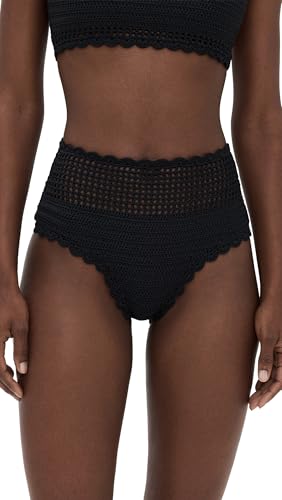
Scalloped edges, Crochet knit

Look 10 lbs. lighter in 10 seconds® with Miraclesuit. 69% Nylon, 31% Lycra Spandex

Not Sold as a Set: Bikini top sold separately
Best Fabrics for a Comfortable and Supportive Swimwear Fit
Finding the right fabric for swimwear is crucial for your comfort and support. Ever put on a swimsuit and felt it just didn’t fit right? Fabrics like Lycra and spandex are key because they’ve got that great stretch and recovery. They help your swimwear keep its shape even after repeated use, which is a win in my book.
Compression fabrics deserve a shout-out too. They give a nice, firm feel, sculpting your body and helping to avoid that awkward gaping or riding up. Plus, double-lined materials can really enhance opacity, so you can feel secure while still looking stylish. No matter your body shape, these fabrics provide great coverage—without losing any flair.
The best part? Seamless designs lie flat against your skin, which means less chafing and discomfort. I know how annoying it can be to adjust your suit every few minutes, right? And if you want your swimwear to last, definitely look for chlorine-resistant fabrics. They help prevent wear and tear, so you’re not stuck replacing your favorite suit too soon.
Choosing the right fabric makes all the difference in getting a flattering fit. It can boost your confidence while enjoying your time in the water. Additionally, materials that offer stretch and breathability are vital for maintaining comfort throughout long wear and active movements.
So, what fabric will you choose for your next swim?
Recommended Products
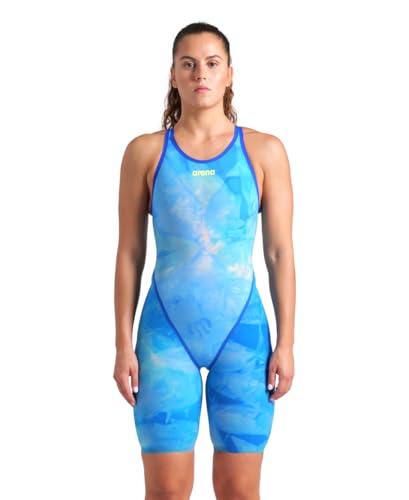
Combines arena's revolutionary Carbon Fiber technology with new lightweight fabrics to create the ultimate World Aquatics (FINA) approved racing suit for women, in a vibrant color which evokes a sense of adventure and vitality

The open-back Powerskin Carbon Glide combines arena's revolutionary Carbon Fiber technology with new lightweight fabrics to create the ultimate World Aquatics (FINA) approved racing suit for women

The closed-back Powerskin Carbon Glide combines arena's revolutionary Carbon Fiber technology with new lightweight fabrics to create the ultimate World Aquatics (FINA) approved racing suit for women
Troubleshooting Swimwear Fit Issues: Practical Steps
Finding the right swimwear can feel like a daunting task, especially when you’re dealing with fit issues. It’s super frustrating to find a suit that looks great but doesn’t work perfectly once you hit the water. So, how do you tackle these pesky fit problems?
To start, if you’re struggling with gaping around the bust area, look for swimsuits with adjustable straps. This little detail can make a world of difference. Don’t overlook the importance of cup sizing, either — going for specific cup sizes can really enhance support and make everything feel more secure.
Have you ever experienced that uncomfortable digging feeling? I’ve been there! The secret is to choose thicker straps or even bump up a size for more comfort. It’s all about finding that sweet spot where you don’t feel like your suit is cutting into you.
Now, let’s talk about whether your suit rides up when you’re swimming or moving around. To avoid that awkward situation, try styles with snug leg openings or high-waisted bottoms. These options provide better coverage and keep everything in place. And don’t forget, you should definitely do some movement tests in the dressing room — there’s no better way to see if a suit will stay put during your swim.
Quality matters, too! Swimsuits made from double-lined fabrics or with seamless designs can be way more comfortable and also help prevent any embarrassing moments of transparency. Honestly, taking these factors into account can seriously enhance your swimwear experience.
To wrap it up, tackling fit issues is all about paying attention to the little details. Considering the right material quality can make a significant difference in both comfort and durability.
What’s been your biggest struggle when shopping for swimwear?
Frequently Asked Questions
How to Stop a Swimsuit From Riding Up?
To stop a swimsuit from riding up, we should focus on size selection and supportive features. Opting for high-quality swimwear materials, proper fabric elasticity, and adjustable straps enhances personal comfort while catering to our unique body types.
How to Prevent Swimsuit Wedgies?
To prevent swimsuit wedgies, we should choose swimwear fabric that suits our body types, consult a sizing guide, opt for adjustable straps, and consider high-waisted styles or swim trunk options for better coverage and support.
How to Make Bathing Suits Tighter?
Just like a perfectly tailored outfit, we can tighten bathing suits by adjusting straps and altering seams. Let’s explore compression options, fabric types, and effective shopping tips to guarantee our swimsuits fit snugly and comfortably.
How to Reduce Bulge in Swimsuit?
To reduce bulge in swimsuits, we should explore bulge reduction techniques like supportive swim tops, compression swimwear, and tummy control options. Choosing proper sizing and flattering styles boosts our confidence and enhances our body shape.