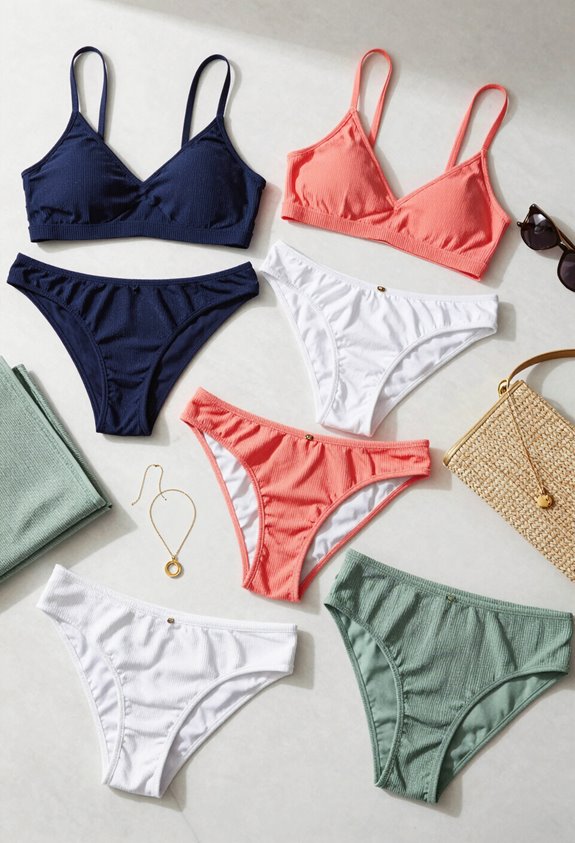


When it comes to swimwear, you might wonder how to stay protected from the sun’s harsh rays. It’s crucial to pay attention to UPF ratings, which tell you how well the fabric blocks UV rays. A UPF rating of 50+ shields you from about 98% of harmful rays, while regular cotton only offers UPF 5.
If you’re serious about sun safety, consider fabrics like polyester and nylon. They tend to provide better protection, especially when they’re tightly woven and in darker colors.
What about style? Full-coverage options such as rash guards or long-sleeve suits not only look great but also enhance your safety in the sun.
Here’s a practical tip: Always follow the care instructions on your swimwear. It might seem tedious, but taking care of your suits ensures they last longer and maintain their protective qualities.
So, why does this matter? Sun protection isn’t just for those with fair skin; everyone should be taking measures to protect against UV damage. You’re doing yourself a favor by prioritizing safety.
In a nutshell, pay attention to UPF ratings, opt for the right fabrics, and don’t skip on care. What’s your go-to swimwear for sunny days?
Key Takeaways
- Look for swimwear with a UPF rating of 30 or higher to ensure effective protection against harmful UV rays.
- Choose tightly woven fabrics like polyester or nylon, as they provide better UV blocking capabilities than lighter materials.
- Dark or brightly colored swimwear offers improved UV protection compared to lighter shades, so opt for these colors.
- Select styles with full coverage, such as long-sleeve swimsuits or rash guards, for enhanced sun protection.
- Follow care instructions carefully to maintain the UPF effectiveness of swimwear, avoiding bleach and high heat during washing and drying.
Why Sun Protection in Swimwear Matters
When you’re picking out swimwear, have you ever thought about sun protection? Harmful UV rays can seriously damage your skin, and that’s why it’s so important to consider UPF-rated swimwear. This type of clothing does a great job of blocking UV radiation, which can help reduce the chances of skin damage and sunburn. For example, with a UPF rating of 30, only 1/30th of the UV rays can get through the fabric. If you go for UPF 50+, that number drops to 1/50th.
Colors can play a big role, too. Darker or brightly colored swimwear often provides better UV protection than lighter shades. So, if you’re in the market for a new swimsuit, remember that the color and material matter just as much as the style. Tightly woven fabrics are usually better at defending against the sun compared to loosely woven ones.
Try this: Look for swimwear that has a high UPF rating, but don’t stop there. It’s still a good idea to apply sunscreen on all exposed skin. You want to create a strong barrier against harmful rays, and the combo of UPF swimwear and sunscreen is your best bet.
Additionally, choosing swimwear with high-quality materials such as blends of spandex and nylon can enhance both UV protection and durability for summer activities.
Frankly, taking these precautions can make a world of difference in protecting your skin while you’re enjoying that fun summer sun. So, next time you’re headed for a dip, think about your choices and how you can stay safe while also looking great. What does your go-to swimwear setup look like?
What Exactly Is UPF and How Does It Protect You?

Have you ever thought about how well your swimwear protects you from the sun? Ultraviolet Protection Factor, or UPF, is key to making your swimwear choices safer. It measures how much UV radiation a fabric blocks, much like SPF tells you about sunscreen. When you’re hitting the beach or lounging by the pool, the right UPF rating can make a big difference.
So, let’s break it down: UPF ratings typically range from 15 to over 50. A UPF 50 rating means about 98% of harmful UV rays are kept at bay, letting only 1/50th through. For those in the UPF 30 category, around 96.7% of UV radiation is blocked.
What influences UPF effectiveness? Well, it turns out a few factors are at play:
- The fabric’s color matters. Darker colors often provide better protection.
- The weave density of the fabric also plays a role; tighter weaves tend to block more UV rays.
But here’s the catch: wearing it a lot, stretching it out, or getting it wet can diminish a fabric’s UPF rating. Keeping your swimwear in good shape is crucial if you want to maximize your sun safety. Additionally, many modest swimsuits feature UPF-rated fabric that helps protect skin from harmful rays during activities.
So, why does this matter? Because protecting your skin from harmful rays is essential for your long-term health. Make smart choices with your swimwear—look for those higher UPF ratings and consider how you care for your suits. After all, enjoying the sun is best done safely!
In short, pay attention to UPF when you’re shopping for swimwear. What’s your favorite sun-safe swimwear tip?
Understanding UPF Ratings: What Do They Mean?

Choosing the right swimwear for sun protection can feel overwhelming, right? Understanding UPF ratings is key to making smart choices. These ratings tell you how well fabrics block UV rays. For example, a UPF rating of 30 means only 1/30th of UV radiation gets through, blocking about 96.7% of those harmful rays. If you want even more protection, look for a UPF rating of 50, which blocks approximately 98% of UV rays.
It’s important to know that fabrics rated below 15 aren’t considered protective at all. A typical cotton t-shirt, for instance, usually only has a UPF rating of around 5, which is pretty low when you think about it. So, are you relying on regular shirts to keep you safe from the sun? Truth is, you might want to think twice about that.
Color matters, too. Darker fabrics absorb more UV radiation, offering better protection compared to lighter colors, which might allow more UV rays to sneak in. Plus, you should remember that factors like wetness, wearing, and washing can reduce a garment’s protective capabilities. It’s when you’re out having fun that you want to be sure you’re still protected.
Many garments, like faux leather jackets, balance style with function, offering protection in different environments.
Recommended Products

Block the Burn: UPF 50+ protection blocks up to 98% of the sun's harmful rays

ULTRA SKIN TECHNOLOGY - Crafted with Mares' Ultra Skin technology, this men's sleeveless hooded diving top boasts high-tech three-layer fabric delivering top thermal comfort, protection, neutral buoyancy, and freedom of movement for elevated performance in the water

Premium Dive Skins: Experience effortless comfort and unmatched performance with the Slip Ins Dive Skins, a tight-fitting, breathable, stretchable, and full-body lycra suit designed to make getting in and out of a wetsuit much easier and quicker.
Is UPF Swimwear Right for Everyone?
Are you spending a lot of time outdoors, especially near water? If so, you might want to think about UPF swimwear. It’s super important for everyone, particularly if you have sensitive skin or any medical conditions that can make you more prone to UV damage.
Kids and older adults really benefit from UPF swimwear. Why? Because these garments block 96.7% to 98% of UV rays, which is a huge deal when it comes to protecting against skin cancer. It’s also worth noting that the UV rays can be stronger depending on where you are—like at the beach or up in the snowy mountains.
When you’re picking out swimwear, keep in mind that UPF ratings typically range from 30 to 50+, meaning they offer way more protection than your average clothing. And let’s not forget about those with darker skin tones. Even if you don’t burn easily, there’s still a risk of invisible UV damage.
Honestly, UPF swimwear is a smart choice for anyone who wants to keep their skin safe. Try it out next time you hit the pool or beach—you’ll notice the difference! Remember, protecting your skin is important at any age. How do you usually protect yourself from the sun?
Choosing swimwear with UPF 50+ protection ensures you block out the vast majority of harmful UV rays while staying comfortable during water activities.
Best Fabrics for UPF Swimwear
Picking the right fabric for your UPF swimwear can feel like a puzzle, especially when you want to make sure you’re getting solid sun protection. You might find that polyester and nylon are some of the best options out there. These materials do a fantastic job of blocking harmful UV rays, helping to keep your skin safe while you’re soaking up the sun.
One thing to remember is that thicker, tightly woven fabrics provide a better barrier against UV radiation. They can really amp up the UPF rating compared to lighter materials that might not cut it. So, if you’re in the market for a new swimsuit, consider going for something with a dense weave.
Have you ever thought about the color of your swimwear? Darker colors can absorb more UV rays, which can help cut down on your overall exposure. It’s a little science lesson that’s worth knowing when you’re shopping around.
Additionally, some swimwear is treated with chemicals to absorb UV radiation, which can give it an even higher UPF rating. It’s definitely something to look into when you’re making your choice.
Here’s the trick: for the ultimate sun protection, focus on swimsuits made from tightly woven, darker-colored fabrics that come with a high UPF rating. It’s a simple step that can go a long way in keeping you safe under the sun.
For postpartum swimwear, in particular, choosing materials with tummy control features can enhance both sun protection and body confidence.
Recommended Products

THE ULTIMATE TRI SUIT FOR THE ULTIMATE TRIATHLETE: Race in superior apparel. Zoot Sports has created a top tier Men's triathlon suit sleeveless for training and exercising. Our Zoot triathlon suits are thoughtfully designed to support you in swimming, biking, running, and racing.
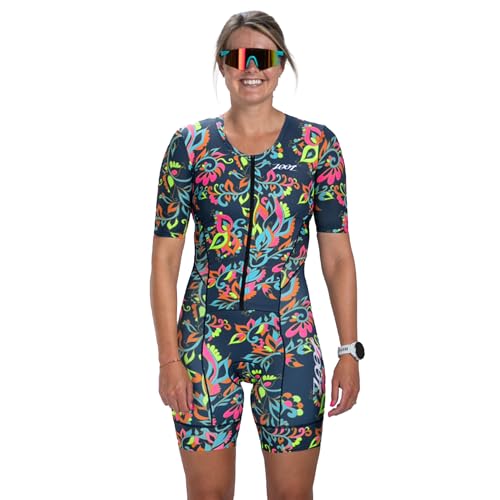
PERFORMANCE Women's TRIATHLON SUIT: Designed with 3 storage pockets, sublimated Italian Primo fabric ensures the very best in moisture management, comfort and durability, and UPF 50+ sun protection so you can be at your best

Quality materials: Thanks to our chlorine resistant spandex this durable one piece pleated ladies swimsuit will last through many washes and wears. 50% nylon/50% spandex. Hand wash.
Style Choices for Maximum Sun Coverage
When it comes to enjoying the sun while swimming, how can you protect yourself from harmful UV rays? It’s something we all want to consider. Focusing on your swimwear choices is a practical starting point.
Try this: go for swimwear with long sleeves and high necklines. These styles naturally offer more coverage and help shield your skin from those intense rays. Honestly, dark or bright colors? They’re not just for looks; they also absorb more UV radiation, so they can actually boost the protection your swimwear provides.
Remember, the material you choose matters, too. Look for tightly woven fabrics or advanced synthetic fibers like polyester and nylon. These materials can form a barrier against harmful rays that cotton just can’t match. The best part is, lots of options out there come with smart features designed specifically for sun protection. Styles like rash guards or leggings often have built-in UPF ratings, which are a great way to keep your skin safe.
Aim for swimwear with a UPF rating of 30 or higher—UPF 50+ is even better for maximizing your safety. So, why does this matter? Even short periods in the sun can lead to skin damage, and investing in protective swimwear is one way to keep enjoying those sunny days without worry. Additionally, choosing swimsuits with features like tummy control can enhance comfort and confidence during outdoor activities.
Recommended Products

FIT AND COMFORT - This paddle suit offers a firm fit, with shirred seams that conceal areas of concern, creating a lean appearance. A half zipper makes it easier to put on and take off, while long sleeves keep you protected from the harsh rays of the sun.

Soft and Durable: Elevate your swimwear wardrobe with the durable and premium SlipIns SurfSkin Minis. Crafted with a blend of 82% polyester and 18% spandex, this swimsuit offers a silky soft feel against your skin, ensuring maximum comfort and durability.

DISCOVER MORE- Click the SEAFOLLY link above to shop our full full collection of swimsuits, bikinis, beachwear and girls swimwear. Search Amazon for "Seafolly Beach Bound" to view the collection.
When Should You Wear UPF Swimwear?
Are you thinking about when to wear UPF swimwear? If you’re planning on spending time outdoors doing stuff like swimming, surfing, or kayaking, it’s a no-brainer. Consistent UV protection is so important; you want to keep your skin safe. This type of swimwear is especially crucial for anyone with sun-sensitive skin, including kids and older adults, who usually need extra protection from those harmful rays.
Prolonged exposure to the sun at the beach or while enjoying water sports calls for UPF swimwear. Did you know that UV rays can pierce water? That means your regular swimwear doesn’t always cut it when it comes to protection. Honestly, it’s a good idea to wear UPF swimwear all year round. Why? Harmful UV exposure can happen in every season, not just when it’s blistering hot outside. Many high-quality wetsuits also combine UPF 50+ protection with thermal insulation for superior sun safety and warmth.
Caring for UPF Swimwear
Caring for UPF swimwear can feel a bit daunting, but it’s really important if you want to keep that sun protection working like it should. Ever wondered how your laundry habits might affect your swimwear’s ability to block those harmful UV rays? It turns out, what you do in the wash can make a big difference.
To keep your UPF swimwear in top shape, always follow the care instructions on the label. Neglecting these can seriously compromise its effectiveness. A few things to avoid include bleach and fabric softeners. They might feel like they make your clothes softer, but they can actually wreck the protective qualities of your swimwear over time.
Instead, try this: wash your UPF swimwear in cold water on a gentle cycle. This helps maintain the fabric’s integrity and ensures those UV-blocking abilities stick around. And here’s the trick—skip the dryer! Air drying is best since high heat can weaken those fibers.
It’s also smart to regularly check for signs of wear. Are you seeing fading or thinning? That’s a sign it might be time to retire that piece. You want to make sure you’re always protected when you head out into the sun.
To extend the life of your swimwear, selecting materials with moisture-wicking fabrics can help maintain both comfort and durability during summer activities.
Recommended Products

Did you know that harmful ultraviolet (UV) rays can actually penetrate clothing and leave you vulnerable to sun damage? Enter SunGuard - an easy-to-use laundry aid that washes UV protection right into clothes
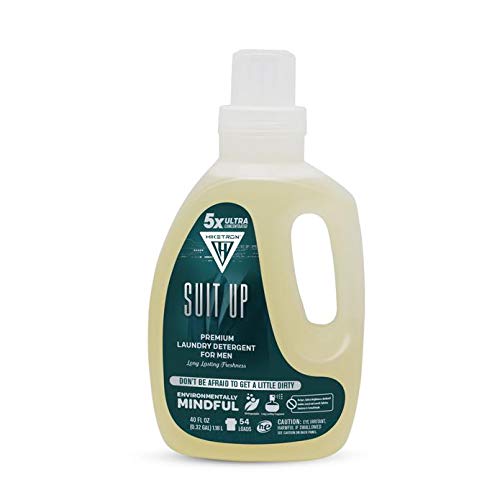
𝟓𝐱 𝐔𝐥𝐭𝐫𝐚-𝐂𝐨𝐧𝐜𝐞𝐧𝐭𝐫𝐚𝐭𝐞𝐝 𝐅𝐨𝐫𝐦𝐮𝐥𝐚: Harness the power of our ultra-concentrated formula to achieve outstanding cleaning results. Each 40 fl oz pack provides up to 54 loads, making it a cost-effective and efficient choice for any laundry need.
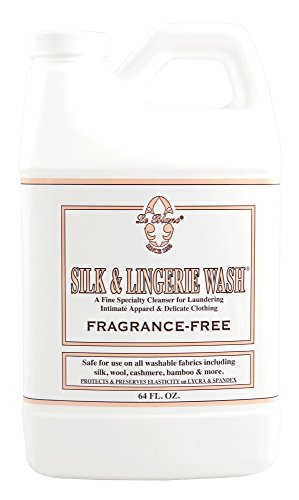
Our Fragrance-Free formula is pure, gentle, and free from added scents, making it perfect for those with sensitivities or a preference for clean, neutral freshness. Designed to deliver the same exceptional cleaning performance without any fragrance, it leaves your fabrics feeling naturally fresh, soft, and impeccably clean.
Essential Sun Safety Tips Beyond Swimwear
We all love soaking up the sun, but there’s more to sun safety than just wearing swimwear. Think about it: you’re having a great time, but how do you protect your skin and eyes without spoiling the fun? Here are some easy steps you can take to keep yourself safe while enjoying those sunny days.
First off, don’t forget the sunscreen. It’s not just a summer staple; make it a part of your daily routine. You should apply broad-spectrum sunscreen with at least SPF 30 on all exposed skin, and remember to reapply every two hours. If you’re swimming or sweating, do it right after to keep that protection up. Trust me, a little effort now can save some serious skin issues later.
When the sun is at its peak—usually between 9 a.m. and 3 p.m.—it’s smart to seek shade whenever you can. This simple step helps reduce direct UV exposure and can make a big difference in preventing sunburn. Plus, who doesn’t love lounging under a tree or an umbrella while catching up on a good book?
Also, think about your eyes. Ever tried wearing UV-protective sunglasses that block 100% of UVA and UVB rays? It’s amazing how much better your eyes feel after a long day in the sun. A good pair protects not just your eyes but the skin around them as well, which can be more vulnerable than you might think.
Don’t overlook hats, either! A wide-brimmed hat is not just stylish; it’s a simple way to shield your face, neck, and scalp. Areas that often get forgotten are where skin cancer risks can be higher, so protect those spots as best as you can.
Finally, be mindful of what you wear. Lightweight, tightly woven clothing can really enhance your sun protection without sacrificing comfort. You don’t have to be in a full-on suit; just swapping out a T-shirt for a UV-protective one can do the trick. Choosing swimwear with built-in tummy control features can also boost your confidence while supporting your curves at the beach.
To wrap it all up, sun safety is about more than just swimwear—it’s a mix of practical steps that can help keep you safe while you enjoy the great outdoors. So, what’s one change you’ll make to elevate your sun safety game this season?
Recommended UPF Swimwear Brands and Collections
Choosing UPF swimwear that looks great while keeping you safe from UV rays can be a challenge. Have you ever put on a swimsuit that feels more like a fashion statement than a sun shield? Jantzen may surprise you with its stylish options offering UPF ratings up to 50+. This means they block 98% of harmful UV rays, so you can enjoy the sun without worrying as much.
If you’re looking for something that performs well even when wet, check out Seea swimwear. Their UPF ratings range from 30+ to 50+, using various fabrics that enhance protection. You want swimwear that not only looks cute but has your back when you’re splashing around.
Mountain Hardwear combines good looks with serious protection, too. Their swimwear lines typically feature UPF 50+, perfect for all your water adventures. So, why does this matter? It’s about feeling confident in your skin while keeping those harmful rays at bay, right?
If you’re a fan of sleek designs, let’s talk about Wild Lush. Their Clare Bandeau one-piece is not just stylish; it targets high UV protection and is available for $99. That’s a solid blend of fashion and function for your beach days.
Also, don’t overlook REI if you’re in search of practical options. The Flash Shade Hoodie is an excellent blend of outdoor gear with built-in UPF protection. Perfect for those active days under the sun, it’s about making smart choices for your body while you enjoy the great outdoors.
For those who require specialized swimwear, considering mastectomy swimsuits with UPF protection can ensure both comfort after surgery and effective sun safety.
Recommended Products

Block the Burn: UPF 50+ protection blocks up to 98% of the sun’s harmful rays

PERFORMANCE Women's TRIATHLON SUIT: Designed with 3 storage pockets, sublimated Italian Primo fabric ensures the very best in moisture management, comfort and durability, and UPF 50+ sun protection so you can be at your best

Balconette underwire
Frequently Asked Questions
How Do I Choose the Right Size for UPF Swimwear?
To choose the right size for UPF swimwear, let’s measure accurately, follow fitting guide advice, consider fabric stretch, focus on style impact, and prioritize comfort based on our unique body types for a perfect fit.
Can I Wear Traditional Swimwear With Sunscreen Instead of UPF?
Yes, we can wear traditional swimwear with sunscreen, but we should be mindful of sunscreen effectiveness and protection levels. Applying it thoroughly—especially after swimming—and avoiding tanning lotions can enhance protection against UV radiation.
Does Swimming Affect the UPF Rating of Swimwear?
Yes, swimming can affect the UPF rating of swimwear. Water absorption and certain fabric types influence protection levels, so we should consider swimming techniques and sun exposure when evaluating long-term effects on UPF ratings.
How Often Should I Replace My UPF Swimwear?
We should replace our UPF swimwear every one to two seasons, considering wearing frequency, fabric deterioration, laundering effects, sun exposure duration, and seasonal trends to guarantee ideal skin health and protection while enjoying the water.
Are There Eco-Friendly Options for UPF Swimwear?
Yes, there’re eco-friendly options for UPF swimwear! We can choose brands that use sustainable materials and recycled fabrics, ensuring ethical production, biodegradable options, and UV protection without sacrificing our environmental responsibility. Let’s swim sustainably together!