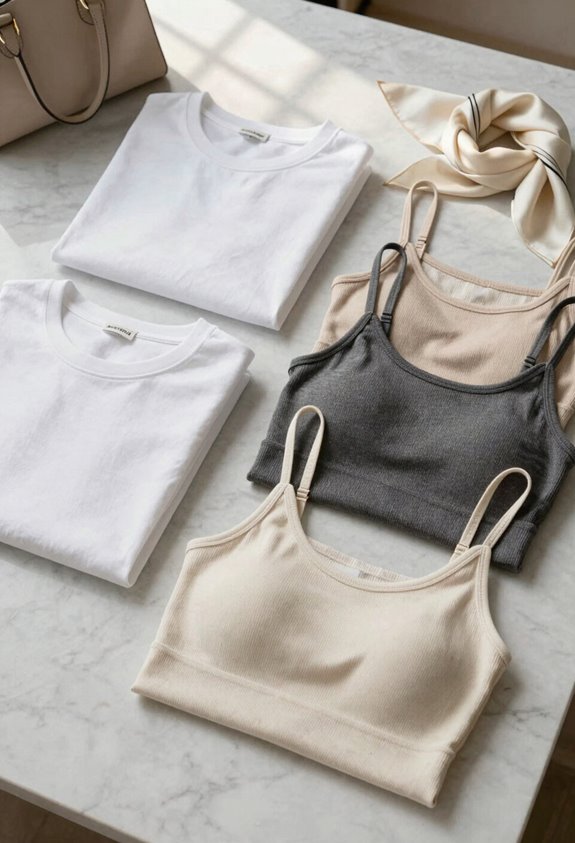


Tiny holes in your favorite T-shirts can be super frustrating. You might notice these little nuisances appearing, and often, it’s due to friction from rough surfaces, our accessories, or even the way we wash our clothes.
Delicate cotton fabrics, especially the thinner ones, just aren’t as resilient and can fall victim to this kind of wear and tear.
Want to keep your tees in good shape? Here are a few things to try:
- Opt for high-waisted pants. They can help reduce friction around your waist, making it less likely for your shirt to get snagged.
- Consider using protective gear like button covers on your jeans. They can do wonders when it comes to keeping your shirts intact.
- Wash your clothes in mesh bags. It’s an easy way to minimize rubbing against other garments in the wash.
So, why does this matter? Regularly checking for fabric wear is crucial if you want to prolong the life of your favorite shirts.
The best part is, with just a little extra attention, you can keep your T-shirts looking fresh and hole-free.
Next, we’ll dive deeper into some maintenance tips and repair ideas.
Key Takeaways
- Tiny holes in T-shirts often result from friction with belts, buttons, or rough surfaces that wear down the fabric.
- Delicate cotton fabrics are more prone to snagging; opting for thicker, blended materials can enhance durability.
- Overloading the washing machine increases friction between garments, leading to premature wear and tiny holes.
- Using protective gear like button covers and avoiding contact with rough surfaces can help prevent fabric deterioration.
- Timely repairs, such as ironing on patches, can extend the life of T-shirts and prevent further damage from occurring.
Why Are There Tiny Holes in My T-Shirts?
Have you ever noticed tiny holes showing up in your favorite T-shirts, especially around the belly button area? It’s so frustrating! You might be wondering where these pesky pinholes come from. It turns out that the quality of the cotton fabric plays a big role.
Cotton knits, while soft and comfy, are generally more delicate compared to tightly woven materials. This softness means they’re more prone to snagging and developing holes over time. A few common culprits that speed up the damage include:
- Friction from belts and buttons.
- Rough surfaces you might rub against during the day.
- The way you wash and care for your clothes.
So, why does this matter? Well, if you’ve also noticed an increase in tiny holes, you’re definitely not alone. This issue has been popping up in conversations lately, and it really calls attention to the quality of fabrics we’re buying.
Truth is, our body chemistry can also interact with the fabric, causing further wear. If you want to prolong the life of your favorite tees, consider washing them in cold water and hanging them to dry whenever possible. Choosing fabrics with better moisture-wicking benefits can also help maintain the quality.
At the end of the day, being mindful about how you treat your clothes can make a difference. Have you changed anything about how you care for your T-shirts lately?
How Friction Ruins Your Favorite T-Shirts
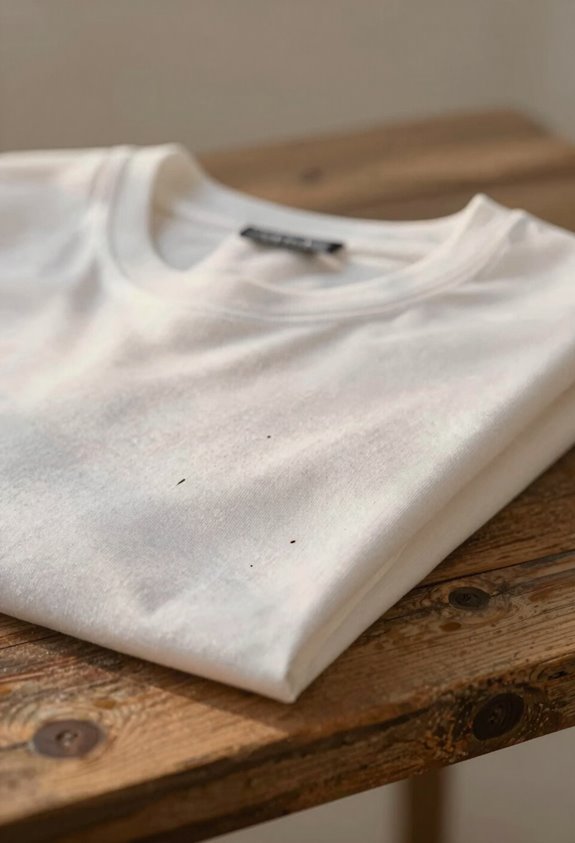
Have you ever noticed how quickly your favorite T-shirt seems to lose its charm? Friction is sneaky and plays a major role in how our tees wear down over time. It’s often the culprit behind those annoying little holes that appear, especially around the belly button. This happens mainly because of metal hardware like buttons and zippers. Plus, if you habitually move against rough surfaces—think countertops and seatbelts—you’re really doing a number on the fabric.
Thinner fabrics, while trendy and comfy, are more prone to damage. They just don’t hold up as well because they have less fiber strength and tighter weaves. So, when you’re shopping for new tees, keep that in mind—sometimes a heavier fabric might be the more durable choice. Also, if you’re someone who tends to overload the washing machine, that can increase friction between garments during the wash and lead to tiny tears that can ruin a beloved shirt.
So, why does this matter? Your body chemistry also plays a role. Things like sweat and pH levels can affect how your fabric ages. To protect your clothing investment, be conscious of these factors. Here’s a tip: consider hand-washing your more delicate tees or using a gentle cycle and laundry bags to minimize damage. Proper care, like hand washing and laying flat to dry, helps maintain fabric quality and texture and prevents premature wear.
Truth is, keeping an eye on these little details can prolong the life of your favorite T-shirts. What other tricks have you found to keep your clothes looking their best?
Recommended Products

2-in-1 Closet System Holds 400+ Clothes: Are you looking for a corner closet with extra large storage space? Besiost closet system with 2 sets will surely fit your needs. The closet system set consists of a corner closet system with 12 shelves + a closet system with 3 drawers. Total 2 large wooden drawers, 3 hanging rods, and 15+ storage shelves for t-shirts, pants, jackets, hats, bags, suitcases, etc. Hold up to 400+ clothes and small items. Visualized storage keeps everything neatly in place and within easy reach.

2-in-1 Closet System Holds 400+ Clothes: Are you looking for a corner closet with extra large storage space? Besiost closet system with 2 sets will surely fit your needs. The closet system set consists of a corner closet system with 12 shelves + a closet system with 2 drawers. Total 2 large wooden drawers, 3 hanging rods, and 18+ storage shelves for t-shirts, pants, jackets, hats, bags, suitcases, etc. Hold up to 400+ clothes and small items. Visualized storage keeps everything neatly in place and within easy reach.

Sizes vary – Minimum size 13″x 14″
How Fabric Quality Contributes to Holes

Have you ever pulled your favorite T-shirt out of the closet only to find a hole in it? It’s frustrating, right? The fabric quality plays a huge role in how likely it is for your T-shirt to develop those annoying holes.
Thinner fabrics, like tissue-weight and low-quality knits, just can’t stand the test of time. They’re more delicate and break down more easily. If you stick to 100% cotton shirts, you might notice they get holes quicker than blended fabrics. Blends often offer better durability, making them a solid choice if you want your clothes to last longer. So, why does this matter? Cotton fibers tend to weaken after several harvests, which makes them more prone to wear, especially in shirts.
Here’s the trick: pay attention to how tightly woven the fabric is. Tightly woven fabrics usually hold up better against the wear and tear of everyday life compared to loosely knitted ones. Nobody wants to deal with constant holes, right? Investing in premium cotton varieties like Supima can be worth it because they feature longer fibers that boost strength and help prevent holes from forming.
Being savvy about fabric quality can enhance your wardrobe. Whether you’re shopping online or at your favorite store, keep an eye out for fabrics that are durable. You want your T-shirts to not just look good but also stand the test of time.
Next time you grab a shirt, think about its fabric. You might save yourself from more holes in the future! What’s your go-to fabric for T-shirts? Choosing garments with durable stitching and reinforced seams also helps prolong the life of your clothing.
Recommended Products

🎁🎁🎁【2 Years of Ink & Powder with Your DTF Printer!】Get 5x250ml inks + 500g powder every 2 months for 24 months—just cover shipping. Keep your DTF business running smoothly.

✅ 【Holiday Mode】 Experience worry-free operation with Smart Holiday Mode – your printer auto-maintains ink flow during breaks, vacations, or storage. Say goodbye to clogged nozzles! Engineered for entrepreneurs who value reliability and seamless restarts.

Heat press machine is full digital integrated display control
Preventing Tiny Holes in T-Shirts: Best Practices
Ever notice those tiny holes in your favorite T-shirts? It’s frustrating, right? You might be tossing your tees in the laundry without a second thought, but there are some simple steps you can take to keep them looking great for longer.
First off, think about how you wear your clothes. Opting for high-waisted pants or tucking in your shirt can keep it away from pesky buttons that can cause friction. Sounds simple, but it’s effective! And while you’re at it, protective gear like button covers and seatbelt pads can shield your shirts from sharp edges in your everyday life.
When it’s laundry day, consider using mesh laundry bags. They protect your clothes from getting snagged during the wash. Also, don’t overload the washing machine—it’s tempting, but cramming it full can lead to extra friction that wears down fabric.
Here’s a little tip: steer clear of rough surfaces and hard objects with your shirts. It sounds obvious, but think about it—the edges of tables, rough chairs, and even some backpacks can snag your fabric easily.
If you do spot any wear, don’t stress! An iron-on patch is a quick fix to keep it from getting worse until you can tackle it more thoroughly.
Choosing garments made from durable fabrics can also reduce the chances of tiny holes forming over time.
Recommended Products

Count on the Core Merino 120 Hoody to take you from warm early season conditions through active hunts in cool weather. Featuring an ultralight merino wool blend that regulates temperature to help you stay comfortable through changing conditions, and it also naturally resists odor to suppress your scent

Complete & Versatile Closet Storage Kit – Includes 4 telescopic hanging rods, 3 Fixed Rods, 6 sturdy hooks, and 8 spacious shelves to accommodate all your clothing and accessories—from dresses and coats to folded sweaters, bags, shoes, and more. Perfectly tailored for diverse wardrobe needs.
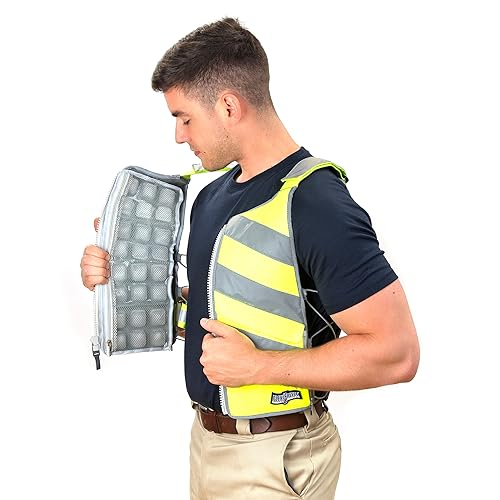
FLEXIFREEZE ICE VEST: The FlexiFreeze Professional Series Ice Vest is a cooling solution that harnesses the power of 96 pure water ice cubes to effectively lower your core temperature, making it suitable for both indoor and outdoor use. It utilizes pure water ice cubes, removing 35% more heat pound for pound than gel or evaporative solutions.
Quick Fixes for T-Shirt Holes
Do you ever find tiny holes in your favorite T-shirts and wonder if there’s any hope for them? You’re definitely not alone. The good news is that you can fix those little nuisances without a ton of hassle.
Start by laying your shirt inside out, making sure the edges of the hole line up as best as you can. Try this: use fusible interlining and a hot iron for about 10 seconds, but remember to put a press cloth over it to safeguard your fabric. If you want a little extra flair, iron-on patches not only cover holes but can also add some style, letting you express yourself while you repair.
For those who aren’t into sewing, there’s still a way out! Stitch Witchery or fabric glue can be great alternatives. Just keep in mind: avoid washing your shirts with holes until you’ve made those repairs. Washing can make those holes even bigger, and that’s the last thing you want.
So, why does this matter? Keeping an eye on areas that tend to rub against things can save you from new holes down the line. A little preventive care goes a long way! Also, choosing garments made from high-quality cotton fabrics can reduce wear and tear, helping your clothes last longer.
Recommended Products
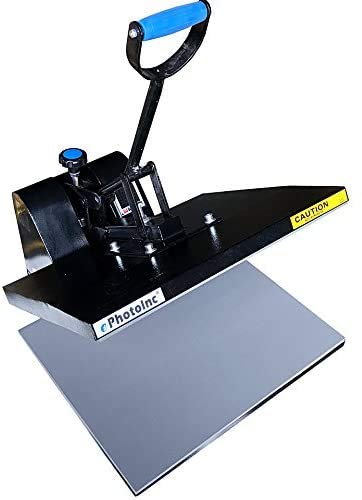
Brand New T shirt Transfer Heat Press Machine by ePhotoInc. Voltage:110V Power: 1800W Heat Press size: 16" x 24" **** BRAND NEW TEFLON SHEET IS INCLUDED ALSO ****

Made from high quality polyester fabrics, embroidered with vibrant colors, and filled with soft felt, providing a comfortable and durable feel.

Customize Your Patches - Personalized patches can be dyed permanently into patches instead of embroidered with your favorite image. Any photo and text can be printed on the patches; even the look of embroidery can be duplicated. Please upload high resolution photos.
Signs You Need Professional Repair for T-Shirt Damage?
How can you tell if your T-shirt needs professional repair? Have you spotted tiny holes showing up in various spots? If they’re looking big or there are a lot of them, it’s time to think about getting some professional help. A T-shirt that’s got holes suggesting serious fabric deterioration is a red flag you shouldn’t ignore.
When you notice fraying or significant wear around the seams, it might be a good idea to seek help from a tailor. Those weak areas where holes keep forming? They scream for attention. And if you’ve tried DIY fixes like sewing or patching but nothing seems to hold, don’t hesitate to consult an expert.
Here’s the trick: professionals can provide the right support to help your favorite shirt last longer. Catching these issues early means you can save your beloved T-shirts from more wear and tear. Understanding the importance of fabric quality can help prevent premature damage and extend the life of your shirts.
Recommended Products

Luxorious Craftmanship: Men's jacket made from premium faux leather for a rich and sophisticated appearance.
Frequently Asked Questions
Why Do I Keep Getting Tiny Holes in My Shirt?
We’re all frustrated when tiny holes appear in our shirts! It often stems from fabric wear, poor laundry practices, and low material durability. Let’s explore ways to better protect our favorite tees together.
How to Fix Tiny Holes in T-Shirts?
To fix tiny holes in our t-shirts, we can use repair techniques like hand sewing or fabric glue. Choosing the right fabric types matters, and following laundry tips helps prevent future damage. Let’s keep our shirts looking great!
How to Prevent Clothes From Forming Holes?
When it comes to preventing holes, let’s not throw caution to the wind. We should focus on proper fabric care, adopt gentle washing techniques, and store our clothes carefully to keep them looking great longer.
What Bug Eats Tiny Holes in Clothes?
We don’t need to worry about bugs eating tiny holes in our clothes, as clothing pests typically aren’t the culprits. Instead, selecting better fabric choices and using proper washing techniques can help protect our garments.