

Have you ever been out and about, feeling that ache in your feet, only to realize your shoes might be the culprit? It’s easy to overlook how worn your shoes are until they start causing discomfort. Recognizing the signs that your trusty pair needs re-soling can save you from a lot of pain.
First off, check for flexibility issues. If your shoes are bending too much at the toe or arch, that’s a warning sign. You want your shoes to support you, not give up on the job.
Also, take a close look at the soles. Are there holes? Or maybe you notice some uneven wear patterns? These are all indicators that it’s time to take action.
Now, let’s talk about comfort. If your shoes used to provide a cozy fit but now feel soft or aren’t cushioning your feet the way they should, it’s time to reconsider things. You might even start feeling pressure in your knees or feet, and honestly, nobody wants to deal with that kind of pain during their day.
Here’s the trick: staying proactive about shoe maintenance means you can keep moving comfortably. You don’t want to be caught off guard, especially if you rely on your shoes for daily activities.
In short, if you see these signs, don’t hesitate to address them. It’s all about your comfort and support!
So, how often do you check your shoes for wear?
Key Takeaways
- Check for flexibility issues; excessive bending near the toe or arch indicates that your shoes may need re-soling.
- Inspect for holes or tiny splits, as these can lead to discomfort and further shoe damage over time.
- Look for uneven wear patterns on the soles, which could reveal overpronation or instability in your walking pattern.
- Notice persistent foot pain or discomfort after use; this may signal midsole deterioration requiring immediate attention.
- Regularly monitor the overall condition of your shoes to prevent discomfort and maintain optimal foot health over time.
Key Signs Your Shoes Need Re-Soling
Recognizing when your shoes need re-soling is crucial for staying comfortable and keeping your feet healthy. Have you ever felt like your trusty kicks just aren’t providing the support they used to? Maybe it’s time to give them a closer look.
First off, pay attention to the sole’s flexibility. If it feels surprisingly spongy, that’s a sign the support is waning. And let’s be real: if you see any holes, it’s time to act fast. Not only do those holes mean your shoes are breaking down, but they can lead to further damage and discomfort.
Next, uneven wear patterns can be a red flag. If certain parts of your sole are wearing out faster, it can indicate that pressure is building on specific areas of your feet. This could mess with your balance and overall walking comfort. Have you noticed that the ground feels sharper underfoot lately? Thinning soles can really make a difference in how your feet absorb shock.
Also, don’t overlook those tiny splits where the sole meets the upper part of the shoe. They might seem insignificant now, but they can quickly lead to bigger issues, especially when it starts letting in water.
For business professionals, combining shoes that require re-soling with appropriate shoe styles may compromise overall attire and comfort during the workday.
How Thinning Soles Affect Comfort and Safety
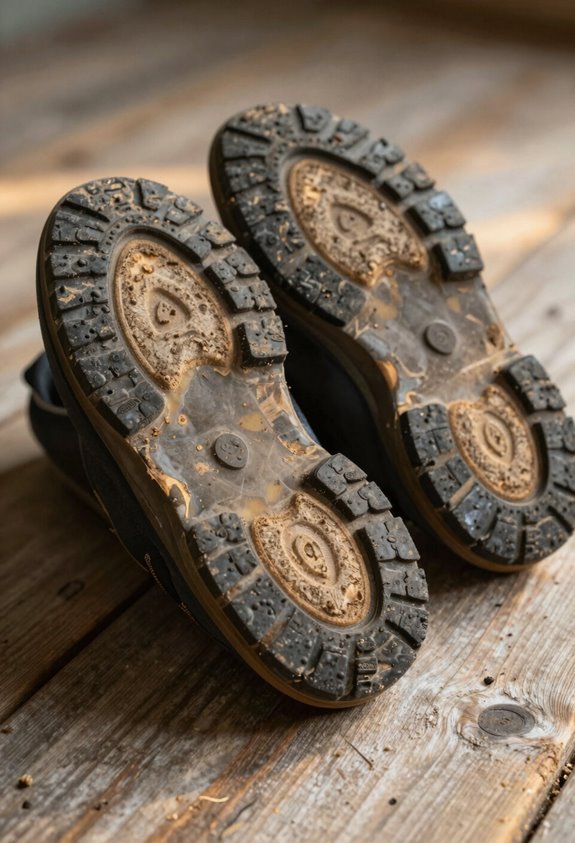
Thinning soles can really mess with your comfort and safety during daily activities. Have you ever felt that extra strain on your feet or back after a long day on your feet? That could be a sign your shoe soles are losing their thickness. When shoes start to wear down, shock absorption takes a hit, which means more stress on your feet, knees, and lower back.
A sole that feels too flexible or spongy is often a warning sign. It can throw off your stability and increase your chances of slipping or tripping. You might not think much about it, but thinning soles can also transmit more ground sensations, which leads to that uncomfortable feeling of fatigue, especially if you’re standing or walking for a while.
Here’s the trick: regularly checking your shoes for wear and tear can help avoid these problems. If you notice the soles are thinning, it might be time to consider having them re-soled before they get too worn down.
Also, don’t forget about traction; as the soles thin out, gripping different surfaces can become a challenge. It’s like trying to walk on ice in flip flops—definitely not ideal!
Choosing quality footwear made from breathable materials can also help extend the life of your shoes by reducing wear and maintaining comfort.
In short, keeping an eye on your footwear can save you from discomfort and unsafe situations down the line. So, are you ready to start checking those soles? Taking some time to inspect your shoes now can pay off later.
Recommended Products

TRUSTED BY SHOE CARE PROS! A premium shoeshine kit designed for anyone who values craftsmanship, classic style, and a polished leather finish.

Elevate Your Leather Care Routine: Upgrade your shoe maintenance with the Shoe MGK Leather Care Kit. This comprehensive set includes an 8oz. Cleaner and Conditioner, 7oz. Leather Cream-Neutral, a Shoe MGK Brush, and an Applicator Sponge. It's the ultimate kit for dedicated shoe lovers, offering complete care for all leather footwear.

Complete Shoe Cleaning Kit – Includes everything you need for deep cleaning and daily care: 4oz Cleaning Solution, 3 Brushes, 2 Adjustable Shoe Trees, Patented Sneaker Laundry Bag, and Microfiber Towel.
How Holes Impact Re-Soling and Shoe Functionality

Have you ever thought about what those small holes in your shoe soles really mean for your kicks? Overlooking them can mess with the whole structure and function of your shoes. Those little openings can let in moisture, which not only ruins the interior but can also lead to some pretty awful smells.
It’s surprising how even tiny holes can throw off your traction and support. When you’re out jogging or playing sports, maintaining balance is key, and those holes can make it tougher than it needs to be. Regularly checking your shoes for holes is a must. They can grow over time, and the longer you wait to deal with them, the more urgent the situation becomes.
Try this: take a good look at your shoe soles every so often. Addressing holes as soon as they appear can bring back their functionality and really stretch out the life of your shoes. After all, you want your footwear to continue providing comfort and protection, right?
Ensuring your shoes have supportive soles can reduce fatigue and improve overall travel comfort.
Recommended Products

Made of durable and soft synthetic gum rubber

COMPLETE SNEAKER CARE SYSTEM: Includes 8.5 oz foam cleaner, dual-bristle brush, microfiber towel, suede brush and eraser, sole cream, shoe trees, white touch-up pen, cleaning mat, bowl, sneaker bag, and crease protectors for total shoe maintenance.

What Uneven Wear Means for Your Feet
Have you ever looked at your shoes and noticed they’re wearing out in strange places? Uneven wear on your shoes can clue you in on how you move, and it might be telling you more about your gait than you realize. When you see significant wear, it could point to issues like overpronation, where your foot rolls inward too much, or supination, which is when your weight shifts to the outer edges of your feet. This misalignment can lead to joint pain and, over time, injuries.
For instance, if the inner edges of your shoes are worn down, it’s likely that you’re overpronating. On the other hand, if you notice the outer edges wearing more quickly, that’s a sign of supination. Keeping an eye on where your shoes wear out can be really helpful. It allows you to figure out how you walk or run, and identify if you need some extra support in certain areas. It’s all about keeping your feet comfortable!
Think about this: when you see significant uneven wear, it means your shoes might no longer be providing the support you need. This lack of stability can increase your risk of ankle sprains or other issues, especially if you’re active. So, what can you do? Regularly check your shoes and replace them when they start showing signs of odd wear.
Here’s the trick: when shopping for new shoes, consider your wear patterns. If you know you have a tendency to overpronate or supinate, look for shoes specifically designed to address those issues. It’s not just about style; it’s about keeping your feet—and the rest of your body—happy and healthy.
Additionally, selecting footwear with moisture-wicking fabrics can enhance comfort during prolonged wear by keeping your feet dry and reducing irritation.
To wrap it all up, uneven shoe wear isn’t just cosmetic; it signals how well your shoes are supporting you. Next time you notice those unusual wear patterns, take it as a sign to assess both your shoes and your walking style. So, what are you waiting for? Give those shoes a close look!
Signs Your Midsole Has Compressed and Needs Attention
How can you tell if your shoes have lost their supportive edge? If your midsole feels soft or spongy underfoot, it probably means you’re losing the support and cushioning you need. Have you noticed more impact on your knees or heels lately? That could be a sign that the midsole’s shock absorption isn’t what it used to be.
When you start to feel discomfort, like pain in your heels or the balls of your feet after using your shoes, it’s a clear indicator that the midsole’s structure might be compromised. Don’t ignore it! It could also affect your balance or stability during activities, which nobody wants to deal with.
Try giving your shoes a regular inspection. Look out for cracks, visible compression, or any changes in how they feel. If you spot any of these signs, it might be time for re-soling or even a replacement. Remember, keeping an eye on your footwear can save you from unnecessary aches and improve your comfort on the go. Proper maintenance is crucial for extending the life and durability of your shoes.
Recommended Products
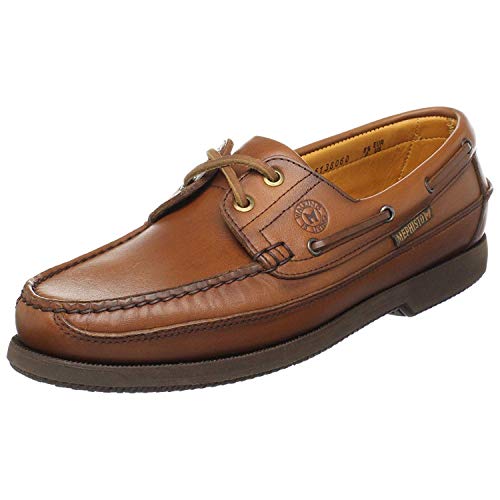
Soft-Air Technology and Removeable insole Provide Comfort. The SOFT-AIR midsole is flexible and soft, reduces the shock from walking, protecting your feet, joints and vertebrae.

GORE-TEX waterproof membrane, exceptional breathability and waterproof performance
Is Your Shoe Lacking Flexibility and Support?
It’s frustrating when your shoes just don’t feel right anymore, isn’t it? Knowing when your shoes lack flexibility and support can really help keep your feet healthy. A rigid sole usually signals that the materials are breaking down, which might mean it’s time for a re-soling. If you start noticing discomfort while out and about, that midsole probably isn’t cushioning your foot like it used to.
Check how your shoes bend when you walk. If they’re flexing too much in the wrong spots, especially near the toe or arch, that’s a red flag. Goodyear welted shoes are known for their durability, but even they can wear down eventually. You don’t want to end up with shoes that can’t absorb impact or that lose their grip on the ground—those are telling signs to start shopping for a new pair.
What about that nagging foot or leg pain? Truth is, it often reflects a lack of support. If your shoes aren’t providing the right foundation, you might find it hard to stay comfortable throughout the day. Re-soling could be what you need to bring back some of that much-needed comfort. Additionally, choosing footwear with fabric and comfort considerations can further improve foot health and support throughout the day.
Recommended Products

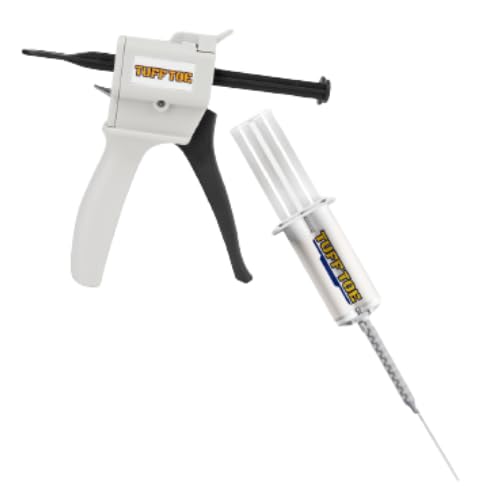
PROTECTS WORK BOOTS – Tuff Toe Boot Guard extends the life of your work boots by 3 Times! Tuff Toe protects your boots and other footwear from rugged use. It also repels stains from chemicals, grease, oil, dirt and water, and is non-marking. Our formula uses the same technology found adhesives used at NASA and in ballistic adhesives, and is more flexible with greater abrasion resistance than any consumer grade product on the market. Contains enough material to cover the toe of two boots.

Non-Slip Shoe Sole Repair Rubber: DIY repair kit for replacing worn out rubber soles. These shoe grips on bottom of shoes adopt a raised grain design on the surface.
Is Foot Pain a Sign You Need to Re-Sole?
Foot pain can be a real nagging issue, and it often means your shoes need some serious attention. If you’re feeling discomfort in your heels or the balls of your feet, it might be time to think about re-soling. Worn-out cushioning is usually the culprit, leading to more stress on your knees and feet. And if you notice blisters or calluses popping up regularly, that’s a sure sign your soles are failing you.
Think about how it feels when you’re walking. Can you sense the ground more than before? This could indicate that your soles are thinning out, which isn’t great for overall comfort. Also, if you’re struggling to keep your balance or if your shoes just don’t feel right anymore, that’s another red flag.
Try this: pay attention to how your feet feel after a long day. If you’re experiencing persistent pain or discomfort, it might be time to look into getting your shoes re-soled. It’s surprising how much difference fresh soles can make.
Honestly, taking care of your footwear is crucial for your foot health. Don’t ignore those warning signs. Considering arch support in your footwear can also help alleviate foot discomfort and prevent further damage. So, what do you think? Are your shoes sending you signals that it’s time for a little TLC?
Recommended Products

Name: breathable and antiskid forefoot pad

Synthetic overlays add support

GORE-TEX Waterproof technology combines optimized breathability & protection against the elements
Frequently Asked Questions
How to Tell if Shoes Need to Be Resoled?
Did you know shoe soles can wear out in just 500 miles? To tell if they need re-soling, we should check sole durability—look for thinning, holes, or discomfort, signaling it’s time for repair.
How Do You Tell if You Need to Replace Your Shoes?
To tell if we need to replace our shoes, we should consider their lifespan. If they feel uncomfortable, lack traction, or show visible damage, it’s probably time to invest in a new pair.
How to Tell if Shoe Soles Are Worn Out?
Did you know that over 70% of runners experience some form of shoe wear? We should look for smooth sole patterns, uneven wear, or separation—we can avoid injuries by recognizing these signs and replacing our shoes in time.
Is It Worth Getting Shoes Resoled?
Yes, it’s definitely worth getting shoes resoled. By investing in sustainable footwear, we not only extend our shoes’ lifespan but also embrace environmentally friendly practices, reducing waste while preserving the comfort and quality we love.