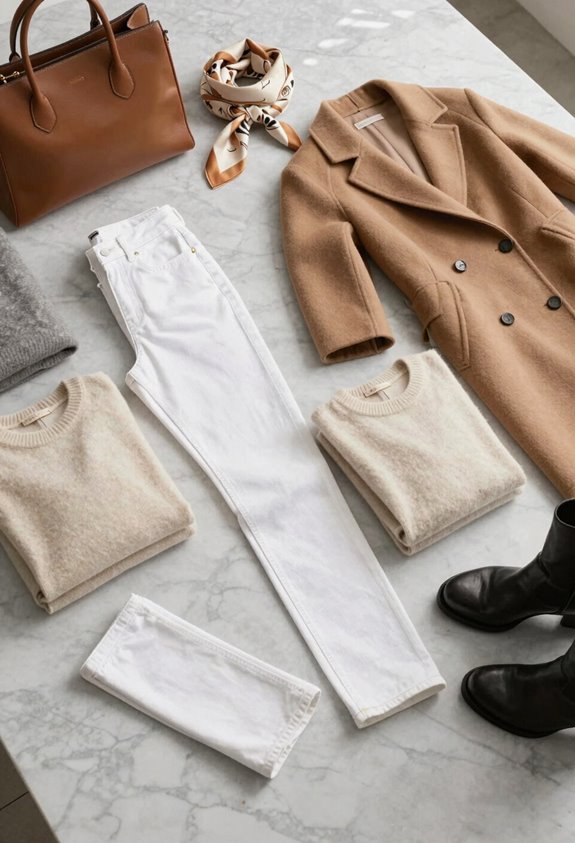


Got jeans that are just a tad too long? Don’t worry, you can hem them while keeping that original hem—it’s totally doable and can save you a trip to the tailor.
Start by putting on your jeans with the shoes you usually wear. Grab some fabric chalk and mark the length you prefer. It might feel a bit strange to do, but trust me, you want to get this step right to avoid any surprises later.
Next, take a moment to measure the original hem width. This will help you align everything perfectly. Now, pin the original hem to where you’ll be making the new stitch line. This pins it all in place, making it way easier to work with as you sew.
Here’s the trick: when you hit the sewing machine, use a zipper foot. This allows you to stitch really close to that original hem, making sure you keep all that decorative stitching intact. After you’ve sewn it up, you can trim any excess fabric. A quick press with the iron will give it a nice finished look.
Truth is, this method can feel a bit daunting if you haven’t done it before. But once you get the hang of it, it’ll make altering jeans so much simpler. Just give it a try!
Got any other denim dilemmas?
Key Takeaways
- Wear your jeans with shoes to mark the desired new hem height accurately.
- Pin the original hem to your new stitch line for added stability during sewing.
- Use a zipper foot on your sewing machine to stitch close to the original hem.
- Measure carefully to avoid misalignment and ensure an even hem across both legs.
- Trim excess fabric and press after sewing for a polished finish that maintains the original look.
Why Preserve Your Original Hem?
So, you’re thinking about shortening those jeans? Before you do, let’s chat about why keeping the original hem is important. Preserving that hem isn’t just about holding on to fabric; it’s essential for keeping your jeans’ authentic vibe. If you’ve got vintage or designer jeans, the original details can really give them character and set them apart.
Here’s the trick: when you keep the original stitches, you’re ensuring a clean finish that enhances the overall look. Trust me, no one wants jeans that scream “I was altered.” Plus, unique elements like gold stitching are often hard to replicate and add real value to your denim.
If you’re thinking about shortening your jeans by four inches or less, this method works well. It keeps the natural fit and silhouette intact, so your jeans still feel like you. And let’s face it, having the original hem means you’ve got options down the road if you decide to change things up again.
So, why does this matter? Well, not only does it help maintain the aesthetics and quality of your denim, but it also leaves room for adjustments later on without sacrificing that original charm. Additionally, choosing jeans made from stretchy denim fabric ensures that your altered jeans retain comfort and durability even after hemming.
Must-Have Tools for Hemming Your Jeans

Hemming jeans can feel like a daunting task if you don’t have the right supplies. But really, it doesn’t have to be! Make sure you’ve got some essential tools on hand. First off, fabric scissors are a must for cutting, and a sewing machine is your best friend for lock and zig-zag stitching.
You’ll want a good measuring tape as well. It’s crucial for getting those measurements just right so your new hem looks aligned with the original one. As for thread, choosing a color that matches—either polyester or a cotton-poly blend—will help make your repairs blend in nicely.
Don’t underestimate the power of pins! They’re lifesavers when it comes to holding your new hem in place and avoiding puckers when you start sewing. And let’s be real—no one wants a bumpy hem. After you’re finished sewing, a sharp iron will be invaluable for pressing those hems to give them a crisp, professional finish.
Optional tools can step up your hemming game too. A seam ripper is great for any quick fixes, and a zipper foot can really help when you’re working close to that original hem. So, why does this matter? Having the right tools can make all the difference in your final look.
Using polyester fabric properties can also influence your choice of thread and stitch type when hemming jeans made from polyester blends.
Getting ready to hem your jeans? Grab your tools and get started! You got this!
How to Hem Your Jeans: A Step-by-Step Guide

Ever tried to put on your favorite pair of jeans only to realize they’re dragging on the ground? It’s frustrating, right? Hemming jeans is easier than you think, and you can definitely do it at home. Here’s a simple five-step guide to get those jeans fitting just right.
First, put on the jeans with the shoes you’ll be wearing most. Take a moment to find the perfect length. Use fabric chalk to mark where you want the new hem to sit. This step is key—it’s all about getting that fit just right!
Next up, measure the width of the original hem. You want to make sure this lines up with your new hem marking. It’s a small detail, but it makes a big difference in the final look.
Let’s talk about securing things in place. Pin the original hem to your newly marked stitch line. This way, your jeans will stay put as you start sewing. You want to ensure it’s neat and fitting around the whole leg opening.
Then, it’s time to grab your sewing machine. Using a zipper foot will allow you to sew close to the original hem, giving you a professional finish. You’ll be surprised at how nice it turns out!
Finally, trim away any excess fabric and finish the edge. You can press it for a polished look, or leave a bit of fray for that laid-back vibe. It really adds character to your jeans. Remember to consider the fabric stretch and look for at least 2% elastane to maintain comfort and shape after hemming.
Top Challenges in Hemming Jeans and Their Solutions
Hemming jeans can be a real hassle, can’t it? You definitely want to get it right, but sometimes the fit and final look don’t come together like you hoped. One major issue is misaligned measurements—if the new hem doesn’t match up properly with the original, things can come out a bit wonky.
Here’s the trick: measure carefully and keep the vertical seam allowance in mind. That’ll help ensure you’re on the right path. If you’re working with flared jeans, make sure to mark the new hem on the right side. Then, you’ll want to transition smoothly to the original inner leg seam—this is key for a good finish.
Puckering can also be a real pain, especially if the leg shape and seam allowance don’t line up. So, if you find yourself in that situation, try using a zipper foot for better maneuverability around those tricky areas. It can really make a difference in how the jeans look after you’re done.
To finish it off, make sure to stitch close to the original hem. This helps keep any decorative stitching intact, giving you a polished and professional look.
In short, with a little patience and attention to detail, you can totally get the hem just right. Considering the importance of fabric and comfort can also influence how you choose your stitching technique and thread. What’s the most challenging part of hemming jeans for you?
Quick Fixes for Common Hemming Issues
How do you get past those annoying little issues that come up while hemming jeans? It can feel like a maze sometimes, but with a few tips, it gets easier. First off, test that machine tension on some scraps that are similar to your fabric. This step can prevent the dreaded puckering that no one wants to see.
When you’re ready to sew, go for a longer stitch length, around 3.0 to 3.5mm, especially if you’re working with thicker layers. That’s really key! Plus, when you pin your new hem, make sure to measure each time. Consistency is key to avoiding mistakes.
Got some bulk at the side seams? Don’t freak out. Just trim any excess folded fabric, but leave enough for a solid finish. It’s a great way to keep it looking professional without all the fuss.
To wrap things up nicely, press the sewn seam upwards and the original hem downwards after stitching. This little step does wonders for that crisp look. And pay attention to the needle placement—keep it close to the original hem to keep everything authentic.
Choosing a denim fabric with the right balance of stretch and sturdiness can also make hemming easier and improve the final fit.
Hemming doesn’t have to be a headache! Give these tips a try and you might be surprised at how smooth it can go. What’s your go-to method for dealing with hem issues?
Alternative Hemming Techniques for Different Jeans Styles
When you’re looking at hemming jeans, the style really does matter. It can be tricky to get it right, especially with all the different cuts out there. So, what do you do if you have straight leg jeans? First, mark where you want the new hem, then fold the original hem up, and stitch it close to the edge. After that, you can snip away the excess fabric inside. It’s a simple process that keeps the look neat.
Now, tapering your jeans is a bit more involved. You don’t just want to hem the bottom; you also need to trim the leg width at the new hem position. After that, go back to the inner seam and follow the original hem method. This way, your jeans still fit snugly while looking sharp.
Hemming wide-leg jeans calls for a different approach. Make sure you measure while standing in the shoes you’ll wear with them. Once you have the right length, pin the original hem, and take your time stitching it so it comes out nice and polished. A presser foot can really help you get those stitches just right next to the original hem. So, why does this matter? It helps maintain the jeans’ unique style and fit, which is what you want, right?
The best part is, if you take your time and follow these steps, you’ll end up with jeans that fit perfectly without losing their character. Remember, the key to giving your jeans a new lease on life is all in the details. Have you tried hemming your jeans before? If not, why not give it a shot?
Also, using lightweight denim with a bit of stretch can make the hemming process easier and improve comfort and fit after altering.
Frequently Asked Questions
Can You Hem Jeans and Keep the Original Hem?
Absolutely, we can hem jeans while keeping the original hem! With clever jean alteration techniques and essential sewing tools, we’ll guarantee original hem restoration, maintaining jean integrity with effective hemming tips evaluated for perfect results.
How to Hem Jeans and Keep the Original Hem by Hand?
To hem jeans by hand, we’ll start by measuring accurately, use fabric clips for alignment, choose a thread color matching our denim, and apply hand sewing techniques while maintaining fabric integrity for a polished look.
Are Unfinished Hems in Style in 2026?
Absolutely, unfinished hems are super trendy in 2026! We’re embracing these unique styles as they reflect fashion evolution and versatility, offering fresh hem variations that elevate our contemporary looks and help us express individuality.
What to Do if Your Jeans Are Slightly Too Long?
If our jeans are slightly too long, let’s use proper measuring techniques, choose sharp fabric scissors, and secure thread knots. We can preserve faded edges while following these jean alterations tips for a polished look.