
Have you ever stood in front of your closet, wondering if open-toed shoes would fly in your corporate environment? It’s a tricky topic. While many love the breezy feel of sandals, about 35% of people see them as unprofessional, especially in more formal settings.
Closed-toe shoes tend to give off that polished vibe we often seek for the workplace. But here’s the thing—if you work in a more relaxed atmosphere, open-toed shoes are slowly gaining acceptance. Just make sure to keep a few things in mind.
When choosing open-toed styles, aim for high-quality materials like leather. It’s about striking the right balance; go for those with a moderate heel height of 2-3 inches. So, what’s the key? Your footwear should not only align with the dress code but also project professionalism.
Try this: if you’re unsure, observe your colleagues. Are they rocking open-toed styles, or do they stick to traditional options? That can give you a better idea of what flies at your workplace. And remember, looking polished doesn’t mean sacrificing comfort.
Frankly, it’s all about making thoughtful choices. You want to feel confident in what you wear, especially at work. So take a moment to consider how your shoes fit into your overall outfit, and do they reflect the professionalism you aim for?
In summary, while open-toed shoes are becoming more accepted in casual settings, knowing when and how to wear them is crucial. What’s your take on wearing open-toed shoes at work?
Key Takeaways
- Open-toed shoes are often viewed as unprofessional in formal environments, with 35% of people considering them unsuitable for the workplace.
- Casual footwear like flip-flops is generally discouraged, as 76% of individuals believe they shouldn’t be worn in any workplace.
- Observing company dress codes is essential, as specific policies dictate acceptable footwear while balancing personal style and professionalism.
- Choosing high-quality materials and neutral tones for open-toed shoes enhances their professional appearance, making them suitable for work settings.
- Clean and well-maintained shoes are crucial for projecting professionalism, especially in interviews where closed-toe options are preferred.
Culture and Context of Open-Toed Shoes in the Workplace
Are open-toed shoes really a good idea for the workplace? While they can be super comfy and stylish, it’s not always clear if they fit into a corporate setting. Many people see open-toed footwear as too casual for the office—35% of folks in a 2012 Adecco Group survey even think they’re just not suitable for women. It’s all about perception; open-toed shoes have long been associated with a laid-back vibe, which can clash with the serious business look most companies expect.
Now, let’s talk about flip-flops. An eye-opening 76% believe they should never make an appearance in any workplace. It’s clear that some styles may not send the right message when it comes to professionalism. So, how do you navigate this tricky dress code?
Generational attitudes add another layer to the mix. Younger professionals often shrug off traditional dress norms, while older colleagues may hold firm to stricter expectations. This can put women under a lot of scrutiny when it comes to their work attire compared to their male peers. It’s not just about the shoes; it’s about how your overall look is perceived.
Thinking about wearing open-toed shoes? Here’s the trick: consider the specific environment of your workplace. In more casual settings, you might get away with it. But if you’re in a conservative field, it might be best to stick to closed-toed shoes to avoid any raised eyebrows. Additionally, choosing outfits with versatile style options can help maintain a professional yet comfortable look that complements your footwear choice.
Understanding Workplace Dress Codes for Footwear

Understanding workplace dress codes for footwear can feel a bit overwhelming. You might not give much thought to what shoes you wear, but the right pair can really make a difference in how you’re perceived at work. Closed-toe shoes are usually the safe bet, especially in business formal environments. They give off a polished look that many employers appreciate.
Did you know that a survey from Adecco Group in 2012 showed that 35% of people think open-toed shoes seem unprofessional, particularly in formal settings? It’s a good reminder that what you wear on your feet can influence how others view you. But it’s not just about looks; safety plays a big role too. In places like hospitals or labs, wearing open-toed shoes can increase your risk of injury.
Everyone has their own style, but it’s important to understand that different job roles can have different expectations when it comes to footwear. Here’s the trick: always check with your company’s dress code policy and don’t hesitate to ask your HR department if you’re unsure. It can save you from a potential style faux pas.
Honestly, the way we dress has started to shift, and many workplaces are embracing individual styles more than ever. Still, classic expectations stick around in lots of industries. So, thinking about your footwear choices is key to navigating the professional world smoothly. Additionally, incorporating versatile styles can enhance your overall professional appearance.
Recommended Products
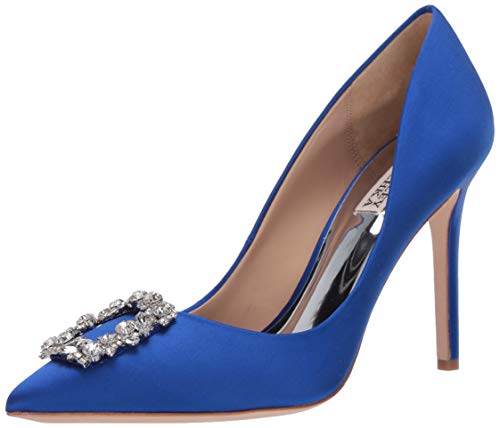

Premium durable full grain leather upper
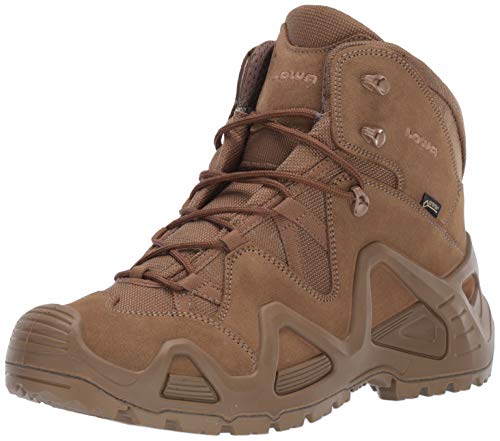
Uppers: Leather & Fabric Blend
Are Open-Toed Shoes Ever Okay for Work?

Are open-toed shoes ever appropriate for work? It’s a question that many of us ponder, especially as the weather warms up. In some business casual settings, you might find that open-toed shoes are perfectly fine. However, plenty of employers still see them as unprofessional. In fact, a survey showed that 35% of people think open-toed shoes just don’t cut it in the workplace.
Now, while you might get away with high-heeled, sleek black open-toed shoes in certain contexts, casual styles like flip-flops or those overly decorated sandals should generally be left at home. Why does this matter? In many professional environments, first impressions are key—and footwear plays a big role in that.
If you’re working in fields like healthcare, safety is a major concern. Closed-toe shoes are a must in clinical settings to protect against potential hazards. Think about it: You don’t want to risk injury or give off the impression that you’re not taking the job seriously. And when it comes to interviews, closed-toe shoes are a safe bet; they project a polished look, whereas open-toed shoes might seem too laid-back.
When deciding what to wear on your feet, consider these tips:
- Check your company’s dress code policy.
- Observe what your colleagues wear—let their choices guide you.
- Think about the message you want to send with your footwear.
Additionally, opting for comfortable footwear with supportive soles can help maintain professionalism while providing all-day comfort, especially in settings that require a lot of standing or walking.
Myths vs. Realities: Open-Toed Shoes in the Workplace
What are the common misconceptions about open-toed shoes in the workplace? Many people think they’re always a no-go, which isn’t quite true. A 2012 survey found that 35% of folks believed open-toed shoes looked unprofessional for women, but that view is shifting.
So, why does this matter? Traditionally, many believed that wearing open-toed shoes signaled a lack of seriousness. However, younger professionals are rocking them more than ever, especially in casual work settings. Acceptance of these styles can really depend on where you work. While open-toed shoes can be just fine in certain business casual environments, flip-flops are a whole different story and often don’t cut it in most workplaces.
As workplace fashion evolves, we’re seeing a big push toward personal expression. Here are some things to keep in mind:
- Understand your workplace culture. Some places are more relaxed about footwear than others.
- If you’re in doubt, opt for a closed-toe style on important days.
- Save flip-flops for the beach, not the boardroom.
Navigating the world of open-toed shoes can be tricky, but knowing the myths versus the realities helps you strike a balance between your style and workplace standards. It’s all about respecting the space you’re in while showing off a bit of your personality.
In the end, just be thoughtful about how your choices come across. Are you ready to strut your stuff in some open-toed shoes?
How to Balance Safety and Style in Open-Toed Shoes
How can you balance safety and style when choosing open-toed shoes for work? It can be tricky, especially in environments where open-toed shoes might be viewed as unprofessional or even unsafe. In places like hospitals or labs, you need footwear that protects against spills and sharp objects to keep your feet safe.
If you’re lucky enough to work in a more casual setting, dressy open-toed shoes could be fine on relaxed days. But it’s essential to ensure they meet safety standards. Think about easy-care materials that you can keep clean, because scuffed or grimy shoes can ruin an outfit. Also, take a moment to reflect on your workplace culture before pulling those sandals out of the closet.
Honestly, keeping a polished appearance matters. If your dress code allows open-toed options, it’s a great idea to complement them with well-groomed feet. Regular pedicures or just maintaining neat nails can go a long way.
So, what’s the trick to balancing safety with your style? Start with shoes that provide good support and check if they have features like cushioned insoles and closed heels for added protection. Also, consider styles that have more coverage around the foot while still giving that airy look.
For versatility in professional attire, it’s worth considering a seasonal approach to footwear, just as in choosing outerwear like wrap coats which adapt to different climates and occasions.
The best part is finding that middle ground—where you’re comfortable, safe, and looking great. Next time you’re shoe shopping, keep this balance in mind. How do you plan to rock those open-toed shoes safely and stylishly?
Recommended Products

10" tall leather uppers made from 2.8 mm full grain leather feature double and triple stitching throughout for added durability

Lighter weight with cool comfort in warmer temperatures, our unlined leather boots will mold perfectly to your foot.

AMERICAN MADE with USA and globally sourced components by the skilled craftsmen and women at Thorogood’s US plants
Tips for Choosing Open-Toed Shoes for Work
Choosing the right open-toed shoes for work can feel tricky, especially when you’re trying to balance style with professionalism. Ever found yourself staring at a beautiful pair of shoes, only to wonder if they’re suitable for the office? Here are some tips to help you make the best choice.
First off, think about materials. Picking shoes made from high-quality materials like leather or suede can really elevate your look. It’s all about that polished vibe, right? Trust me, a well-made shoe speaks volumes more than a cheap pair.
Now, let’s talk about heel height. Aim for a moderate heel, around 2-3 inches. You want to be comfortable and able to walk around without feeling like you’re teetering, but a little lift can definitely make a difference in how you carry yourself. You don’t want to be that person with sore feet halfway through the day!
When it comes to color, opt for neutral tones. They’re easy to match with your work outfits and don’t draw too much attention. Think about the vibe you want to convey at work. Bright, flashy designs can sometimes be too distracting. So, here’s a tip: before buying, check how they look with your go-to work attire.
And what about office culture? Honestly, some workplaces aren’t too keen on open-toed shoes. It’s always good to consider the environment you’re in. Ask around or observe what others wear, just to make sure you’re in the clear.
Finally, don’t underestimate the importance of maintenance. Keeping your shoes clean and in good condition is key. Scuffed or damaged shoes can send the wrong message, while a well-kept pair shows you take pride in your appearance. For overall work attire, incorporating pieces like knit blazers, known for their comfort and professional style, can enhance your polished look while maintaining versatility.
Recommended Products

The H on label refers to half, for ex. 10H refers to 10.5

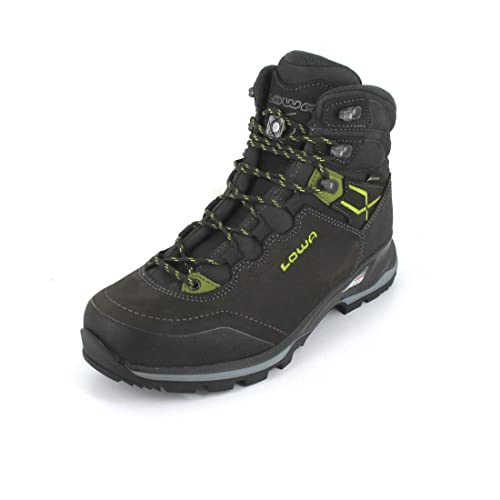
Material - Upper: Leather (nubuck)
Genuine Leather
Open-Toed Shoes: Tips for Interviews
When preparing for a job interview, it’s easy to get caught up in perfecting your resume and rehearsing your answers. But have you thought about what’s on your feet? Open-toed shoes might seem like a comfy option, but they can often come off as too casual, which isn’t what you want when you’re trying to make a great impression.
Here’s the trick: closed-toe shoes are usually a safer bet. They give off a polished, professional vibe that can help you feel more confident walking into that room. Classic styles in neutral colors are always a smart choice. Aim for a moderate heel height of 2-3 inches; it strikes just the right balance between style and professionalism.
If you’re in a pinch and open-toed shoes are your only option, make sure they’re spotless and well-maintained. Think about it—scuffed or dirty shoes can distract from all the hard work you’ve put into preparing for the interview.
So, why does this matter? Proper footwear can help you present yourself in the best light possible, allowing interviewers to focus on your skills and experiences instead of what you’re wearing on your feet.
Pairing your shoes with neutral tones in your outfit can maintain a cohesive and professional appearance.
Recommended Products


Frequently Asked Questions
Is It Unprofessional to Wear Open-Toed Shoes?
We believe it can be considered unprofessional to wear open-toed shoes in many corporate environments. Adhering to professional footwear standards and following open-toed shoe guidelines is essential for maintaining a polished, authoritative appearance.
Can I Wear Open-Toed Shoes to a Work Event?
We can’t always wear open-toed shoes to a work event. The corporate climate often demands stricter office dress standards, so it’s best to check company policies and dress code before making a decision.
Is It an OSHA Violation to Wear Open-Toed Shoes?
In the garden of workplace safety, we must tread carefully. While OSHA guidelines don’t explicitly ban open-toed shoes, it’s wise to guarantee our footwear blossoms in harmony with safety standards to avoid potential pitfalls.
Do Business Casual Shoes Have to Be Close Toed?
Business casual guidelines don’t strictly require closed-toe shoes. We can embrace options that suit our summer office attire, balancing style and professionalism, but it’s wise to check our specific workplace dress code first.