
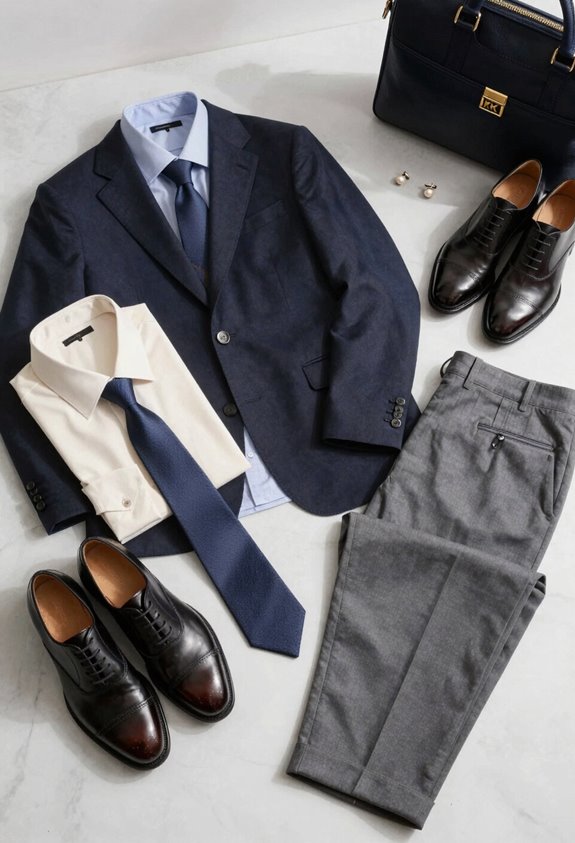

Ever showed up to a meeting and felt completely out of place because of your outfit? It happens to the best of us!
Let’s dive into the difference between business casual and business professional attire so you can nail your look every time.
Business casual is all about that nice balance—it’s relaxed but still put together. Think tailored pieces like chinos, dark wash jeans, and smart shirts. You want to look neat without appearing too stiff.
On the flip side, business professional is a whole different story. This dress code demands tailored suits in classic colors and polished shoes. Why does it matter? Because the way you dress can influence how others perceive you and even how confident you feel.
So, what’s the best approach? Here are a few tips to keep in mind:
- For business casual, go for chinos paired with a smart polo or button-up shirt. Make sure everything fits well and is free from wrinkles.
- When it comes to business professional, stick to a well-fitted suit. Don’t forget to shine your shoes and keep accessories simple.
It’s all about context. Wearing the right outfit for the occasion is key to feeling confident and making a positive impression.
Take a moment to consider your environment before making your choice.
In summary, knowing the difference between these two styles can greatly help you present yourself effectively.
So, what will you choose to wear to your next event?
Key Takeaways
- Business casual blends professional and casual styles, allowing tailored pieces like chinos and stylish tops for a comfortable yet polished look.
- Business professional requires more formal attire, emphasizing tailored suits, polished shoes, and accessories like ties for a serious appearance.
- Key distinctions include acceptable clothing; business casual allows dark jeans, while business professional strictly prohibits denim and prioritizes sharp suits.
- Adhering to dress codes influences professional perception; appropriate attire boosts confidence and respect in workplace settings.
- Observing colleagues and consulting employee handbooks aids in understanding appropriate attire for different professional environments.
Defining Business Casual Attire
When you hear “business casual,” do you ever find yourself wondering what that even means? It can be confusing trying to strike that perfect balance between looking professional and feeling comfortable. Thankfully, this dress code offers some flexibility without sacrificing a polished vibe.
Let’s break down some typical go-to options. You can’t go wrong with button-down shirts, stylish tops, and tailored pants. While choices can differ between men and women, the key is to keep things neat. For men, chinos or dark wash denim paired with polished shoes are great choices. Women might lean towards modest dresses or tailored pants and closed-toe shoes.
One thing to keep in mind: while it’s tempting to reach for your favorite comfy jeans or t-shirt, it’s important to steer clear of anything that’s too casual. Think about it – a client meeting or any professional setting calls for a more put-together look. Stick to neutral colors and stay away from wild patterns. Why? You want to respect both yourself and the environment you’re in.
Many women find that incorporating high-waist dress pants into their wardrobes helps achieve a comfortable yet professional look.
So, what’s the bottom line? You want to feel good in what you wear while still looking professional. The best part is, with a bit of thought, you can totally nail the business casual vibe.
Next time, when you’re fumbling through your closet, ask yourself: Does this look polished enough for work?
Recommended Products
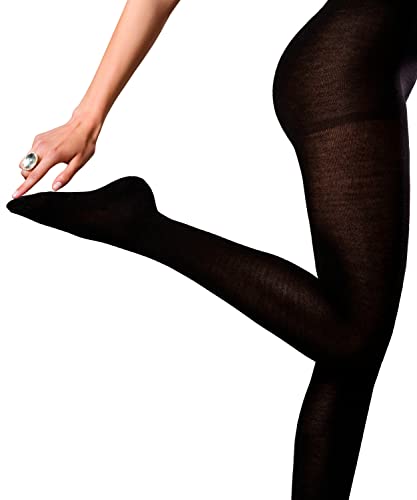
Single pack of elegant long opaque thermal tights for women from our premium FALKE Luxury Line; made of the finest thermal Mongolian cashmere with ultrafine thread count, soft and kind to the skin; high-waisted tight with plain uni coloured pattern

Fabric: Mid-weight stretch twill
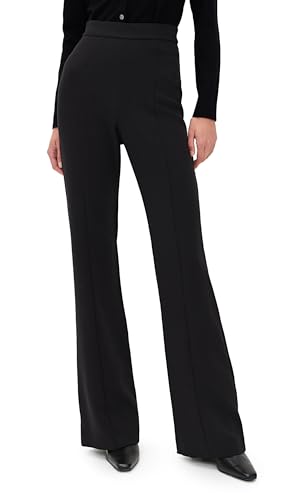
Fabric: Slinky mid-weight, stretch crepe suiting
Understanding Business Professional Attire

Are you feeling uncertain about what to wear to impress at work? Business professional attire can really make a difference in how you’re perceived in the workplace. It’s all about showing that you mean business and understand the culture.
For men, think tailored suits in classic colors like navy or gray. Pair them with crisp dress shirts and polished leather shoes. It’s a straightforward look that radiates confidence. When it comes to women, tailored suits or structured dresses are the go-to. Opt for tailored tops and neutral closed-toe shoes for a refined touch. So, why does this matter? The right outfit can set a professional tone in job interviews, important meetings, or corporate events.
Now, some specific tips: Avoid denim at all costs. Instead, incorporate formal accessories—like a tie for men or a nice blouse or blazer for women. Truth is, these elements not only pull an outfit together but also show you’re serious about your role.
And here’s a simple rule: always remember that looking polished helps you project confidence. The best part is, by sticking to these guidelines, you’re more likely to feel ready and at ease in those professional settings.
In short, dressing appropriately for work isn’t just about looking good; it’s about feeling ready to tackle whatever comes your way. Choosing fabrics with wrinkle resistance can also help maintain a sharp appearance throughout the day. So, where will you showcase your professional attire next?
Top Differences Between Business Casual and Professional Attire

Navigating the dress code at work can be tricky, right? You want to look professional but also express your personal style. So let’s break down the main differences between business casual and business professional attire.
Business casual gives you a bit more freedom. Think of chinos, knit sweaters, or dark wash denim—things that feel comfortable yet put-together. For guys, wearing a button-down shirt without a tie is perfectly acceptable, while women can mix stylish tops with slacks or skirts. This combo allows you to show off a bit of your personality, which is nice.
On the flip side, business professional is all about looking sharp. This usually means a well-fitted suit and polished shoes. For men, that translates to a formal business suit, while women often go for tailored dresses or suits that scream confidence and sophistication. The real kicker here is that while business casual permits one casual item, business professional sticks to a formal dress code.
So, what’s the deal with footwear? It matters. Choosing the right shoes is essential in both styles. You want to maintain that professional vibe, no matter what.
The best part of this? Understanding these dress codes helps take the guesswork out of what to wear. You’ll feel more confident when you know you’re following the rules. Next time you’re prepping for work, ask yourself: am I dressing for business casual or business professional? Keeping that in mind will make your mornings a lot smoother!
Additionally, selecting blazers with the right fabric quality and fit can greatly enhance both business casual and professional looks.
Recommended Products

REAL FRESHWATER PEARL NECKLACE – 18 INCH PRINCESS LENGTH: Crafted with genuine AAA+ cultured freshwater pearls of premium quality in classic white. Selected for a refined round to near-round shape. The 9.5-10.5mm pearls offer a refined, luminous look suited for everyday elegance and special occasions. Designed for timeless style and graceful wear.
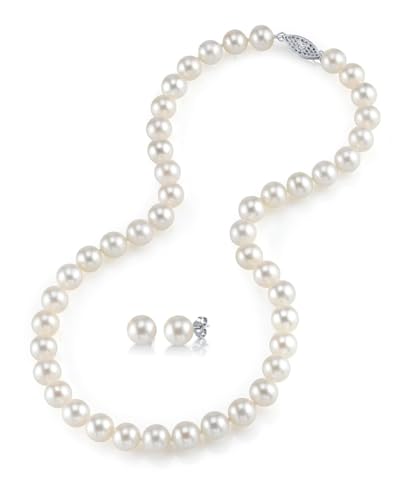
FRESHWATER PEARLS – ELEGANT JEWELRY SET: Authentic and proudly made in the USA, this jewelry set features hand-selected real cultured freshwater pearls in a beautiful white pearl color and high-grade pearls, 8.5-9.5mm with radiant luster. Crafted from 14k for both the necklace and earrings. Gold jewelry set perfectly complements both formal and casual looks.

How to Achieve a Polished Look in Business Casual
Achieving a polished look in business casual attire can sometimes feel tricky. Have you ever stood in front of your closet, wondering how to balance professionalism with your unique style? It all starts with the right clothing choices. Stick with tailored pieces like chinos or dress pants. Pair these with a smart button-down shirt or a stylish top to elevate your outfit.
Colors matter too. Muted tones often give off a more professional vibe, while subtle patterns can add a little flair without being distracting. Footwear is another key area; polished shoes like loafers or clean dress sneakers are great choices. If you’re rocking dark wash denim, those styles still keep your look refined.
Make sure your clothes are wrinkle-free and fresh. Honestly, a neat outfit goes a long way in making a good impression. When choosing fabrics, prioritize breathable materials that ensure comfort throughout the day. Want a few quick tips? Here they are:
- Add a leather belt for a touch of class.
- A structured handbag instantly upgrades your look.
- Simple, tasteful jewelry can give off a polished feel.
Recommended Products

Roomy Shoulder Design – Built with a generous cut through the shoulders, giving a broad and powerful fit that allows extra space for movement.

PREMIUM COTTON: Made from 100% cotton, this sport coat combines a lightweight feel with breathable comfort, making it ideal for warm-weather occasions or year-round elegance.

ALPHA SIZE: CHEST XS 32-34, SMALL 36-38, MEDIUM 40-42, LARGE 44-46, XL 48-50, XXL 50-52
Choosing Between Business Casual and Business Professional?
Choosing the right work attire can really affect how others see you in professional settings. You ever get stuck wondering whether to go for business casual or business professional? Well, it helps to think about the formality needed for the occasion.
Business professional attire—think tailored suits and polished shoes—is usually a must for corporate events. It sends a clear message of respect and seriousness. On the flip side, business casual offers you some leeway. You might opt for dark wash jeans paired with a stylish top and tailored pants. It’s like having your cake and eating it too—still looking good, but a bit more relaxed.
So, how do you know which one to wear? Start by analyzing the event’s purpose and your company’s vibe. For big meetings or formal events, you’ll want to lean towards business professional to make sure you’re putting your best foot forward. On those typical workdays or at less formal gatherings, business casual works just fine.
Here’s the trick: when deciding what to wear, ask yourself a few questions. What’s the dress code for the event? What do your colleagues usually wear? It’s worth taking a moment to think about these things because they can guide your choices.
Keep in mind, looking the part can really impact how others view your professionalism. So whether you’re dressing to impress or keeping it low-key, the key is to strike the right balance. Choosing versatile work pants that combine style and comfort can help you easily transition between these dress codes.
To wrap it up, understanding the difference between business casual and business professional can give you a leg up in your career. What will you choose for your next work event?
Recommended Products

Timeless Pointed Toe Chunky Heel: These men's leather shoes showcase a classic retro shape with a sharp toe and solid heel, suitable for office wear, formal occasions, and daily business use.

Made of soft calfskin leather, it features the textbook elastic inserts at the ankle

Designed and made in Northampton, England
Balancing Personal Style With Workplace Dress Codes
Balancing personal style with workplace dress codes isn’t always easy, is it? Many of us want to dress in a way that reflects who we are, yet we have to consider the rules in place at our jobs. Business casual attire gives a bit more wiggle room to combine casual and professional styles, while business professional usually sticks to a more formal vibe.
Confidence in what you’re wearing makes a big difference in how you’re perceived at work. So, try this: pick outfits that resonate with your personal flair, but also keep an eye on the dress code guidelines. Accessories can be a great way to express individuality without stepping too far outside the lines. Think about adding a pop of color or a unique piece of jewelry that doesn’t clash with your overall look.
Wondering how to figure all this out? Start by observing your colleagues. What do they wear on a daily basis? Checking out your employee handbook can also provide some handy tips. Understanding the differences between business casual and business professional makes it easier to choose the right outfit, whether you’re tackling daily tasks or gearing up for a big meeting.
The best part? Dressing appropriately helps you maintain respect and professionalism in your workplace. It’s all about walking that fine line between personal expression and professional expectations. So, have you found a way to make your style work in your office environment? Or are you still trying to figure out that perfect balance? Choosing pants made from stretchy materials can help blend comfort with a polished look for business casual settings.
Tips for Dressing Appropriately in Various Settings
Have you ever felt totally lost when trying to figure out what to wear for an event? It can be confusing to nail down the right outfit, especially with all the different dress codes out there.
In business professional environments, sticking to classic, well-fitted pieces is key. Think crisp dress shirts, tailored trousers, and polished shoes. Trust me, it’s all about looking polished and put-together. Avoid denim and those comfy sneakers, as they just won’t cut it in more formal settings.
Now, when it comes to business casual, you have a little more wiggle room. Dark wash jeans can actually work here! Pair them with some nice shoes to keep the look sharp. Isn’t it nice to have options? Just remember the context: consider the purpose of the event, who will be there, and where it’s taking place.
If you’re ever unsure, try this: check the employee handbook or take a peek at what your colleagues are wearing. Observing them can really help you get a feel for the right vibe to aim for, helping you avoid any potential outfit mishaps.
For women, incorporating a high-waisted pencil skirt into your business casual wardrobe can provide a polished yet comfortable option that transitions well between settings.
Recommended Products
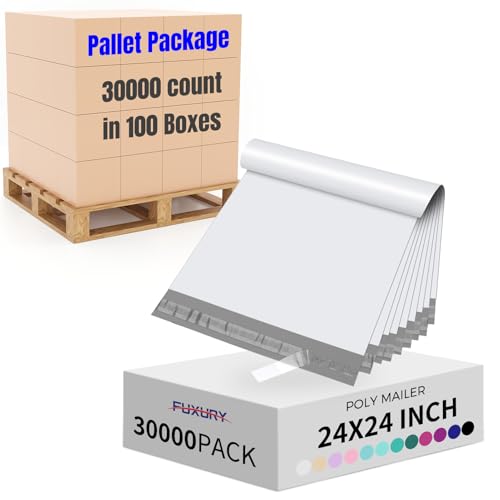
Large Poly Mailers-The Fuxury 24x24 plastic shipping bags,pack of 30000,with white color.The bulk packing bags save your time on reordering,Perfect for small business, boutiques,and online sellers.
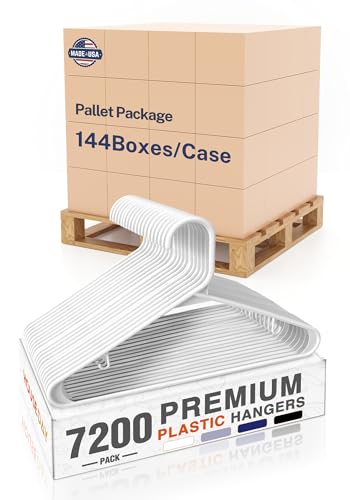
Maximize Savings & Efficiency: Purchase our plastic hangers in bulk 7200-packs, shipped securely on full pallets. Eliminate frequent reordering costs, reduce per-unit pricing, and slash receiving/handling time for your staff

KIT INCLUDES: 8 Cal FR Coverall, FR Balaclava, Class 0 Rubber Voltage Gloves, 10" Leather Glove Protectors, Glove Bag, Hard Hat with Arc Flash Faceshield & Chin Cup, Safety Glasses, Faceshield Bag, Gear Bag. Offering convenient protection in 1 bag!
Frequently Asked Questions
Can I Wear Sneakers in Business Casual Settings?
Yes, we can wear sneakers in business casual settings, especially if they’re stylish. Combining sneaker styles with appropriate outfit combinations balances comfort factor and professionalism while aligning with office culture and industry standards, enhancing positive employee perceptions.
Are There Any Colors to Avoid in Business Professional Attire?
We should avoid overly bold shades and chaotic patterns in professional settings. Sticking to neutral colors and seasonal tones can enhance our image, as color meanings often impact client interactions and align with workplace culture.
How Should I Accessorize for Business Casual Outfits?
We can elevate our business casual outfits with statement necklaces, stylish belts, elegant watches, and layered outfits. Adding patterned scarves, subtle earrings, and opting for comfortable shoes or briefcase alternatives can enhance our overall look.
Is It Okay to Wear Shorts in Business Casual Environments?
We think wearing shorts can be okay in certain casual environments, but we should consider workplace culture and company dress policies. Alternatives like chinos might be better for client-facing situations, ensuring comfort without compromising professionalism.
What Fabrics Are Best for Business Professional Clothing?
For business professional clothing, we’d recommend wool blends for structure, cotton twills for comfort, and polyester blends for durability. Silk fabrics, linen combinations, stretch materials, microfiber options, and velvet textures add elegance and versatility too!


