

Ever been out walking and suddenly your shoes start squeaking? It’s so annoying! Fortunately, there are a few simple tricks you can try to silence those noise-makers.
First things first, moisture is often the culprit. Keeping your shoes dry can really help. Opt for moisture-wicking socks that pull sweat away and consider stuffing your shoes with newspaper when you take them off. It absorbs humidity, which is a big win for keeping squeaks at bay.
What if you still hear that annoying sound? Try applying a bit of petroleum jelly or talcum powder between the insole and the shoe. It works like magic to reduce friction, which is typically where the squeaking originates.
Don’t forget to check your insoles regularly; if they’re worn out, it’s time to replace them.
You want to pay attention to shoe quality and fit as well. Choosing high-quality footwear can make a significant difference. An ill-fitting shoe often leads to more movement inside, resulting in squeaks.
Honestly, there are also some great products out there designed specifically for shoe maintenance. With a little effort, you can keep your shoes quiet.
So, if squeaky shoes are ruining your strolls, give these tips a try. It’s all about keeping moisture in check and ensuring your shoes are in good shape.
What other tips do you have for maintaining shoes?
Key Takeaways
- Keep shoes dry by using moisture-absorbing materials like crumpled newspaper or silica gel packets to prevent trapped humidity.
- Apply lubricant such as petroleum jelly between insoles and the shoe to reduce friction and minimize squeaks.
- Break in new shoes by wearing them indoors and flexing them to loosen stiff materials.
- Regularly check and replace worn-out insoles to prevent noise caused by separation from the shoe.
- Choose high-quality materials and ensure proper fit to reduce movement that causes squeaking while walking.
Why Do Shoes Squeak? Common Causes
Squeaky shoes can really drive you nuts, can’t they? If you’ve ever wondered why they make that annoying noise, knowing the reasons can help you fix it. A few common culprits are at play here.
Often, it’s just friction between materials, especially when you’re breaking in new shoes. As the shoes soften, they can start to squeak more. Another major player is moisture trapped inside, which is more likely in humid weather. Think about it—those brand-new shoes might still have some leftover moisture from when they were made, and that can definitely lead to squeaks.
You might notice that certain surfaces, like polished tile, make the sounds even louder. Has that ever happened to you? It feels like every step is a squeak-fest! And don’t ignore the wear and tear. Loose insoles or peeling soles can create extra movement that results in more noise.
Environmental factors also come into play. Changes in humidity or temperature can influence the materials in your shoes, which can spark that irritating squeaking sound.
Choosing footwear made from durable fabric blends can reduce the chances of squeaking over time.
So, what can you do? Check your shoes for moisture and let them air out. Make sure insoles are securely in place, and don’t hesitate to give them a gentle clean. Keeping an eye on the environment your shoes are in can also help.
To sum it up, understanding what causes squeaky shoes can lead you to a fix. What tricks have you tried to silence your sneakers?
Keeping Shoes Dry: Moisture Prevention Techniques
Water can sneak into your shoes when you least expect it, and it can really ruin your day. So, how do you keep your kicks dry? There are some solid moisture prevention techniques that can make a big difference.
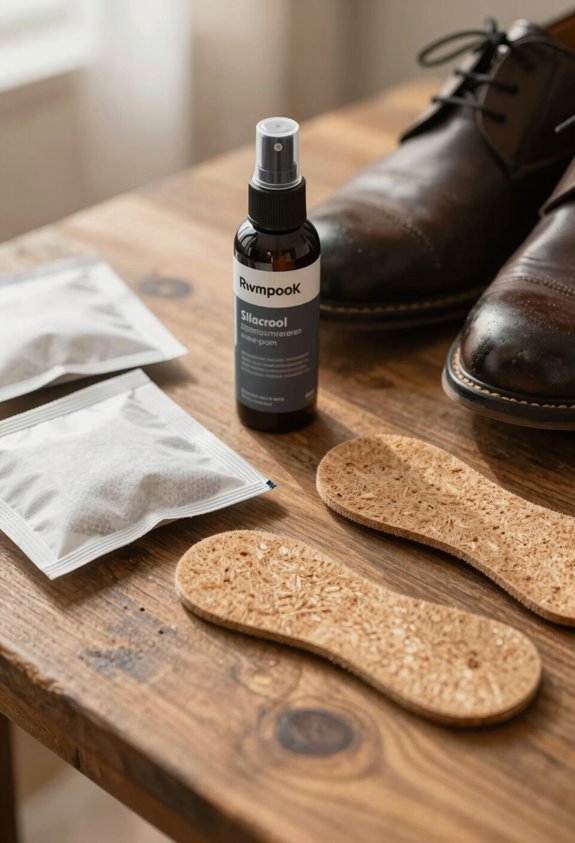
Try this: start by pulling out the insoles and stuffing your shoes with crumpled newspaper. It’s a simple trick that absorbs humidity better than you might think. After that, air dry your shoes and insoles for about 24-48 hours in a well-ventilated area. This helps get rid of any trapped moisture that could turn your shoes into squeaky instruments.
Silica gel packets—those little pouches you find in new bags—are another great option. Toss a couple in your shoes to soak up moisture. Honestly, they work wonders. And if you’re looking to go the extra mile, regularly sprinkle some baby powder or talcum powder inside your shoes. It creates a moisture barrier while cutting down on friction.
Storage is key, too. Keep your shoes in a cool, dry spot to help prevent moisture from building up over time. You’d be surprised at how much longer your shoes will last if you give them a proper home. Additionally, choosing footwear made from high-quality materials like premium faux leather can reduce moisture absorption, enhancing durability and comfort.
Recommended Products
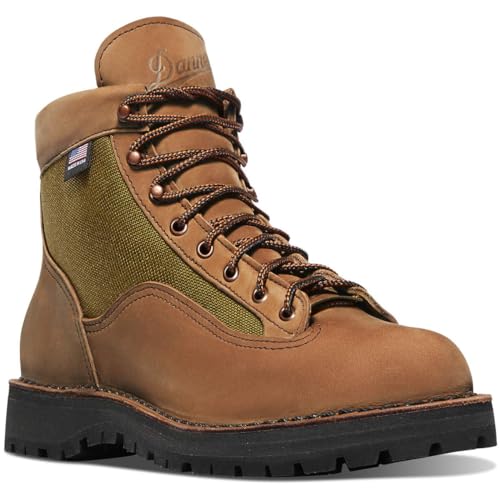
DURABLE men’s hiking boots crafted from a combination of premium full-grain leather and abrasion-resistant 1000 Denier nylon
![Dry & Dry 500 Gram [120 Packet] Premium Pure & Safe Silica Gel Packets, Desiccant Packs, Silica Gel - Rechargeable Fabric Silica Packets, Silica Gel Packs](https://m.media-amazon.com/images/I/414QbDOCdVL._SL500_.jpg)
[High Quality] White silica gel beads only; These packets do not contain indicating beads and will not change color when they are saturated; 500 gram desiccant packets can cover approximately 32 cubic feet volume containers; We recommend placing more packets than recommended for extra protection; (Packet dimension: 5 inch x 9 inch)

【Portable and Durable Silica Gel Aluminum Desiccant Containers】: Silica gel aluminum can is designed with convenience and durability in mind. Each canister measures 4 x 2 x 0.5 inches, providing a compact size that is easy to carry and store. The high-quality aluminum construction ensures the canister remains firm and sturdy, protecting it from dents and damage. With their independent and portable design, these small silica gel tin canisters are a convenient solution for your storage needs.
Effective Methods to Lubricate Squeaky Shoes
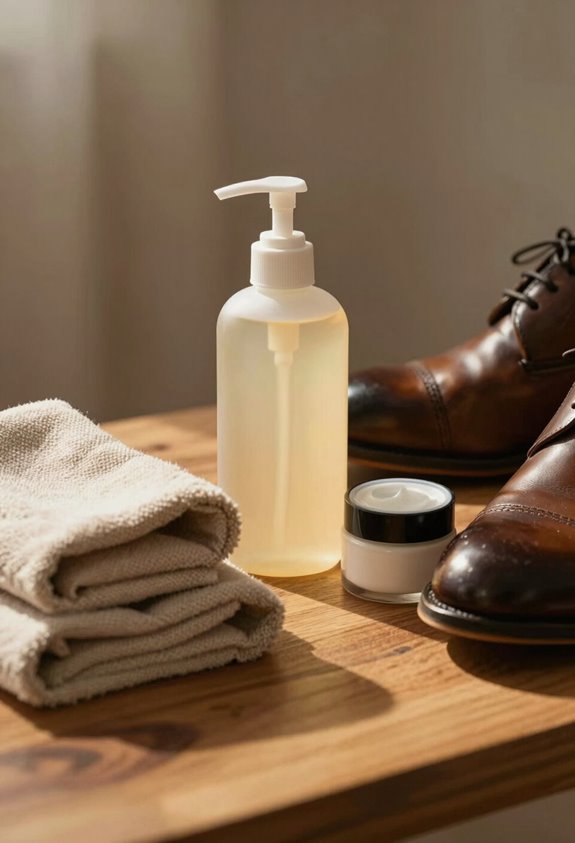
Squeaky shoes can be downright annoying, right? It feels like every step you take is announcing your arrival. Thankfully, there are a few easy tricks to quiet those noisy soles and keep your shoes as comfortable as ever.
Try this: apply a small amount of petroleum jelly or coconut oil between the insole and the shoe. This simple move can really help reduce that irritating friction and, in turn, the noise. If you hear squeaks coming from the soles, spraying a light coat of silicone spray or WD-40 can work wonders. Just make sure to wipe off any excess afterward; you don’t want to end up slipping around!
For rubber soles, rubbing a bar of soap on them can provide an easy, temporary fix. And if you’ve got leather shoes, using a good leather conditioner doesn’t just keep the material looking great; it can also help minimize those unwanted sounds. Can you believe it?
Another tip? Sprinkle some baby powder inside your shoes. It helps absorb moisture, and that can cut down on squeaks caused by dampness.
For long-lasting results, consider choosing footwear made with durable fabrics designed to withstand wear and reduce friction noise.
Truth is, tackling squeaky shoes doesn’t have to be a chore. With these simple solutions, you’ll be back to walking quietly in no time. What’s your go-to trick for quieting your shoes?
Recommended Products

Ultra high silicone content, non-chlorinated formula, low VOC formula

Provides superior, long-lasting lubrication for every household lubricant need

PROTECTIVE - Chassis Shield creates a protective barrier for your RV's metal surfaces
Choose the Best Socks to Avoid Squeaks
Choosing the right socks can make a real difference in whether or not your shoes squeak. Have you ever been out and heard that annoying noise with every step you take? It’s frustrating, right? One simple way to tackle the problem is to go for moisture-wicking socks. These help keep your feet dry, reducing internal humidity that can lead to unwanted noise.
Thick socks can also work in your favor. They improve fit, which means less movement inside your shoes, preventing that pesky friction that causes squeaks. Look for socks made from materials that minimize rubbing, like synthetic blends or merino wool. These options are not just comfy but also help quiet things down.
And what about no-show socks? They’re a great choice too. They fit snugly and create a barrier between your feet and your shoes, which can make a difference in sound. Plus, cushioned athletic socks are worth considering. They often have reinforced areas that enhance fit, further cutting down on noise from your shoes moving around.
For the best comfort and fit, consider socks designed with an adjustable fit similar to features found in well-constructed jumpsuits.
Recommended Products

Bulk of 360 Pairs: Each package includes 360 pairs of women's low cut ankle socks, perfect for daily wear or athletic activities, ensuring you always have fresh socks on hand.

Features moisture wicking technology that keeps your feet cool and dry. Draws moisture and sweat away from the feet with a quality blend of fibers. The breathable fibers allow your feet to breathe and stay comfortable while performing activities for maximum performance.

960 PAIRS WHOLESALE BULK PACK : Never run out of socks again! Each pack includes 960 pairs of ankle socks for men. These socks are made with a quality polyester blend making them perfect for the casual wearer or even athlete. These ankle socks will easily become your favorite socks for everyday wear.
Strategies for Breaking In New Shoes Smoothly
Breaking in new shoes can feel like a real hassle. We’ve all been there—excited about those fresh kicks only to have them pinch and rub in all the wrong places. Here are a few tried-and-true strategies to help make this process a bit easier and way more comfortable.
First off, try wearing your new shoes indoors for short stretches each day. This way, the stiff materials can start to loosen up without the added stress of outdoor walking. While you’re at it, flex and bend in them a little to mimic how you naturally walk.
It’s also important to wear moisture-wicking socks during this time. They really help cut down on friction and sweat, which can make a huge difference. Here’s the trick: if you notice some squeaking, applying a thin layer of petroleum jelly or coconut oil between the insole and shoe can tackle that problem. It can feel like an annoying distraction, so why not get ahead of it?
When you’re ready to step outside, take a walk on different surfaces. Try walking on grass, carpet, or even gravel. This helps ease your shoes into the real world without punishing your feet right away. There’s nothing worse than feeling that pinch on hard surfaces, so mixing things up can be a lifesaver.
Top Products to Fix Squeaky Shoes
Squeaky shoes can drive you up the wall, right? They can easily distract you from your daily activities and make you feel self-conscious when you walk. If you’re looking for ways to silence those annoying noises, there are several options that actually work.
First off, try this: sprinkle some baby powder or cornstarch between the insole and outsole of your shoes. It absorbs moisture and reduces friction, which can really help with squeaks. If that doesn’t do the trick, think about grabbing a can of silicone spray. A quick spray on the sole can lubricate the spots that rub together. Just remember to wipe off any extra to keep your grip steady while you walk.
Another tip is to keep your leather shoes well-conditioned. Applying a good quality leather conditioner helps them stay supple, which can prevent squeaks that come from dryness. You might also want to consider using adhesive felt pads on the bottom of your shoes. They act as a nice cushioning barrier and help dampen any noise.
Oh, and don’t forget about those insoles! Regularly checking and replacing worn-out insoles goes a long way in minimizing squeaks caused by uneven surfaces or when parts of the shoe start separating. For overall comfort during long walks, it’s important to choose breathable materials when selecting or repairing your shoes.
Recommended Products

Effortless Shoe Maintenance on a Large Scale: Introducing the Shoe MGK Big Shoe Cleaner and Conditioner, a 32oz. powerhouse dedicated to simplifying your shoe care routine. Specifically formulated to combat dirt, stains, and daily wear, it's your go-to solution for maintaining a variety of shoe types.
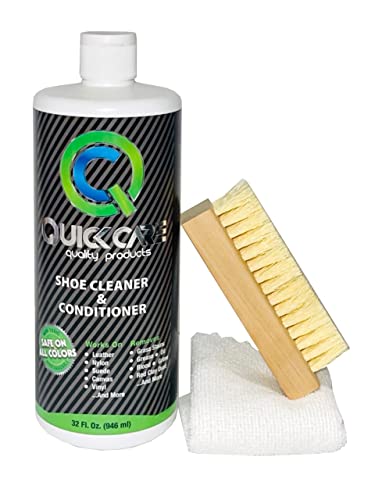
Top quality - Made in the USA.

PINK MIRACLE SHOE CARE KIT INCLUDES: The 8oz Bottle of our Shoe Cleaner with the Multi-purpose Brush, The Protector Shoe Repellent Spray, Shoe Cleaner Wipes ( Qty. 5), and a Microfiber Cloth
Signs It’s Time to Replace Your Shoes
It’s easy to overlook our shoes until they start causing issues. Have you ever noticed your favorite pair starting to squeak? If you’ve tried fixing them but the noise just won’t stop, it might be a sign that the materials are worn out.
Check for visible signs of wear and tear, like holes or fraying. These aren’t just unsightly—they can also mean you need new shoes to provide the right support for your feet. If you’re feeling pressure points or discomfort after a long day, that’s a clear signal to invest in a fresh pair. The soles are worth inspecting, too; if they feel overly flexible or are separating from the upper part, your safety may be at risk.
Did you know that athletic shoes typically last about 300 to 500 miles? Once you surpass that range, performance issues can kick in, and nobody wants to deal with squeaky shoes on top of that. Truth is, knowing when to let go of those worn-out shoes can save you from foot pain.
Maintaining the right material quality in your footwear can also prevent squeaking and prolong the shoe’s lifespan.
Regular Maintenance for Squeak-Free Shoes
Have you ever been out and about, only to be bothered by the squeaking sounds your shoes make with every step? It can be pretty annoying, right? Fortunately, there are some straightforward ways to keep your shoes squeak-free, and it mostly comes down to a little TLC.
First off, cleaning your shoes regularly is a must. Dirt and moisture can easily lead to squeaks, so a quick wipe down can make a difference. If you’ve got leather shoes, conditioning them often is crucial. When leather’s flexible, it’s less likely to make those annoying noises. On the flip side, stiff materials tend to squeak as you walk.
Now let’s chat about storage. Where you keep your shoes matters. Storing them in a cool, dry spot helps to avoid moisture buildup, which can cause friction over time. Speaking of care, keep an eye on the insoles. If they show signs of wear, replace them—it’s a small fix that can go a long way.
So, what’s the deal with socks? Using moisture-wicking socks can really help, too. They keep your feet dry and reduce humidity inside your shoes, which means less chance of squeaking after you wear them.
In addition, selecting shoes made from breathable materials can enhance comfort and reduce noise caused by moisture buildup.
Truth is, if you commit to these simple maintenance tips, you’ll likely enjoy a quieter walking experience. So, why not take a few minutes today to give your shoes some love? After all, a little effort can lead to a lot less noise!
Choosing Shoes to Reduce Squeaking
Are you tired of those annoying squeaky shoes? It can be super frustrating when every step you take sounds like a herd of elephants. The good news is, you can choose the right footwear to help keep those sounds to a minimum.
First off, think about the materials. Go for high-quality options like leather or breathable fabrics instead of synthetic ones. These choices are usually quieter. Then, focus on the soles of the shoes. Try to find pairs with solid rubber soles. They not only give you better traction but also create less noise when you’re walking around.
It’s important to check the sole design too. Avoid intricate patterns and deep ridges—they might look cool but can really crank up the squeaking. Proper fit is another big deal. If your shoes are too tight or too loose, you’ll end up with movements that literally make noise. A good fitting shoe can make a world of difference!
Don’t forget about moisture-wicking properties. Keeping your insoles dry can drastically cut down on squeaks due to excess moisture. So, make sure you consider this while shopping.
Additionally, selecting footwear with breathable materials, similar to those recommended for breathable fabrics in lightweight cardigans, helps reduce moisture buildup and noise.
Recommended Products

SPLIT LEATHER boots impregnated with polyurethane and paired with 900 Denier polyester to create an exceptionally durable and abrasion-resistant upper

SPLIT LEATHER boots impregnated with polyurethane and paired with 900 Denier polyester to create an exceptionally durable and abrasion-resistant upper

Goodyear Welted Heritage - Classic Derby dress shoes designed for executives and business professionals seeking enduring elegance and reliable support throughout intense workdays.
Frequently Asked Questions
How Do I Stop My Shoes From Squeaking When I Walk?
To stop our shoes from squeaking when we walk, let’s consider shoe types, check sole material, guarantee moisture control, and adjust foot placement. These steps can help eliminate those annoying sounds and improve comfort.
How to Walk Without Shoes Squeaking?
In our quest for silent strides, we must consider shoe materials, adopt proper walking techniques, and maintain our footwear. On various floor surfaces, keeping shoes well-cared-for guarantees we glide gracefully without unwanted squeaks.
How to Make Shoes Not Make Noise When You Walk?
To make shoes not make noise when we walk, we should choose quiet shoe materials, consider foot biomechanics, apply sound dampening techniques, and avoid certain surface types that amplify our footsteps.